


SpaceX Isn’t a Rocket Company Anymore. That Should Scare Us.
A freshly public SpaceX just deployed its IPO windfall to acquire Cursor, an AI coding platform, for $60 billion in stock. The speed and scale of the move—closing days after the IPO—signals something larger than a strategic partnership. It’s a flex of vertical integration ambition that our current antitrust framework has no real answer for. We’re watching the blueprint for a new kind of tech monopoly unfold in real time, and regulators are still arguing about Amazon’s warehouse deals.
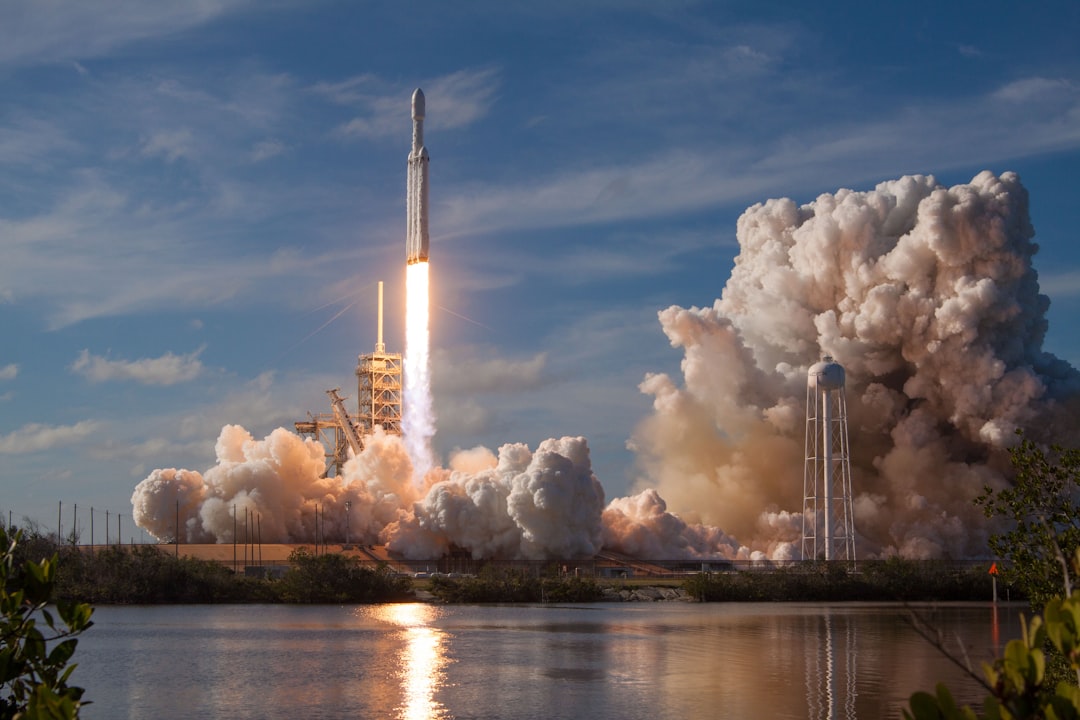
The Rocket Company That Became a Sovereign Tech Platform
For years, SpaceX lived in a neat categorical box: aerospace. Starship, Falcon 9, satellite internet—those were the businesses. Regulators knew how to think about them. National security, FCC spectrum licensing, orbital debris. Linear, precedented.
But per TechCrunch’s reporting on the IPO, SpaceX told IPO investors it sees a $26 trillion addressable market in AI. That’s not a side bet. That’s a thesis. And suddenly Starlink isn’t just a satellite constellation—it’s a distribution network for compute. Cursor isn’t just a coding tool acquisition—it’s a foothold in the AI infrastructure layer. The company is building a stack: ground stations, orbital bandwidth, AI models, development tools, potentially data centers.
This is vertical integration at a scale we haven’t seen in the tech industry since the Bell System. Except Bell at least operated in one regulatory jurisdiction.
Why Antitrust Law Can’t See What’s Happening
Here’s the uncomfortable truth: current antitrust doctrine is built for competition within a single market. Did Facebook illegally crush Instagram? Were they competitors? Debate resolved through market definition. Is Amazon using AWS advantages to unfairly compete in e-commerce? It depends whether you draw the market as “retail” or “logistics” or “cloud computing.”
But SpaceX’s move doesn’t fit those boxes. Cursor doesn’t directly compete with SpaceX’s core aerospace business. The acquisition doesn’t reduce consumer choice in rockets or satellite internet—at least not in any way an FTC lawyer knows how to measure.
What it does is create a vertically integrated entity that can leverage advantage across an ecosystem: satellite bandwidth to train larger models cheaper, proprietary tooling to lock in developer adoption, orbital infrastructure to undercut competitors’ data center costs. The harm isn’t in any one market. It’s in the cascade of advantages across markets that antitrust law treats as separate jurisdictions.
We have no legal doctrine for platforms that are simultaneously infrastructure, tooling, and application layer.

The Real Risk Isn’t Competition—It’s Lock-In
Cursor as a standalone entity had to compete with GitHub Copilot, Anthropic, OpenAI on feature parity and user experience. That’s a winnable fight. But Cursor inside SpaceX becomes something else: a tool that integrates with Starlink infrastructure, that gets preferential access to SpaceX’s orbital compute, that can offer pricing no independent competitor can match because the underlying physics and infrastructure are vertically controlled.
This isn’t predatory pricing in the traditional sense. It’s structural advantage. A developer using Cursor might not know their latency benefit comes from Starlink, or that their model training is subsidized by SpaceX’s cost of capital, or that the ecosystem they’re investing in has deep moats they can’t see.
Lock-in happens not through force but through convenience and cost.
The precedent that should terrify us: Standard Oil didn’t just own refineries. It owned railroads, which owned pipelines, which owned wells. Breaking that apart took decades and a truism that markets would eventually corrode it. But modern tech moves faster. By the time regulators define the market SpaceX is competing in, the company will have already written the standards that define it.
What Regulators Should Be Watching (But Aren’t)
If SpaceX continues on this path—acquiring or building tightly integrated services across satellite bandwidth, AI tooling, data infrastructure, and development platforms—we need a different regulatory framework. Not one that asks “Is this anticompetitive today?” but “What does control of this stack enable tomorrow?”
Some concrete signals to watch:
– Does Starlink preferentially route traffic or pricing for Cursor users?
– Does SpaceX use Cursor’s market position to gather competitive intelligence on other AI platforms?
– Do subsequent acquisitions form a pattern where each new tool becomes “native” to the SpaceX ecosystem?
None of these are illegal under current law. That’s the problem.
Bottom Line
SpaceX’s $60B Cursor acquisition isn’t a mistake or a side move. It’s the physical manifestation of a strategic thesis about vertical integration that our antitrust tools were designed to address—but only for industries that stayed in one lane. Once companies control infrastructure and software and hardware and development tools, the category of “unfair advantage” becomes almost meaningless because the advantage is structural, not behavioral.
We should expect more acquisitions like this from well-capitalized tech companies that control foundational infrastructure. And we should expect our regulators to remain one acquisition behind, drafting definitions for markets that keep moving.
The question isn’t whether SpaceX’s move is technically illegal. It’s whether our legal system will catch up before vertical integration across infrastructure layers becomes the dominant business model.
Editor’s note: This article was researched and drafted with AI assistance (Claude), edited for accuracy and voice, and reviewed before publication. Source headlines that informed our analysis are linked inline. If you spot a factual error, let us know.
