regulation

Robotaxi Smoke Test Failure Exposes Safety Gap

Robotaxi Smoke Test Failure Exposes Safety Gap

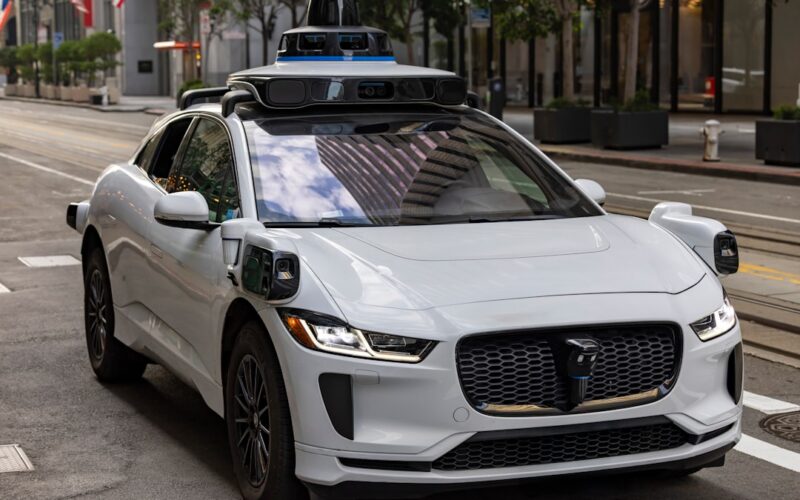
Robotaxis Weren't Tested for the World We Actually Live In A Zoox robotaxi got confused by smoke. Not by another car, not by a pedestrian darting between parked vehicles, not by any scenario that shows up in a test facility's playbook—but by smoke. Per TechCrunch, the company issued a software recall after its autonomous vehicles failed to respond correctly in heavy smoke conditions. This isn't a minor edge case. It's a signal that the entire robotaxi certification framework is built on test scenarios that don't match reality. Every summer now, millions of Americans breathe air thick with wildfire smoke. Fog…
Read More
Tesla Autopilot Data and Liability: A Reckoning Begins

Tesla Autopilot Data and Liability: A Reckoning Begins

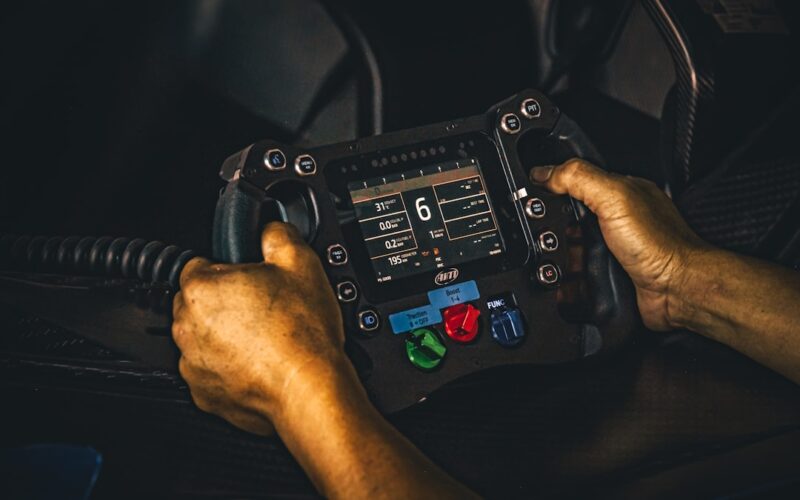
The Autopilot Alibi Is Dying—And Tesla's Data Killed It A Tesla driver crashed, blamed Full Self-Driving, and then the black box told a different story. The NTSB investigation confirmed the driver pressed the accelerator to 100%, demolishing the claim that autonomous features caused the collision. This isn't just a vindication for Elon Musk or a gotcha moment for a careless driver—it's a preview of how autonomous vehicle accountability will actually work once courts, insurers, and regulators demand data transparency. And it exposes a dangerous gap in how we've been handling FSD crashes until now. For years, the script has been…
Read More
China AI deal sets template for government AI control

China AI deal sets template for government AI control

Apple's China AI Deal Is the Template Governments Have Been Waiting For Apple's regulatory approval to deploy AI services in China—using Alibaba's Qwen model—isn't a market victory. It's a precedent. And every other Western tech company will eventually face the same negotiation: surrender meaningful control of your AI infrastructure to a state-approved domestic vendor, or don't sell into that market at all. This China AI deal signals a fundamental shift in how governments view artificial intelligence—not as a product category, but as critical infrastructure that demands sovereign gatekeepers. Photo by William Hook on Unsplash The Qwen Model Isn't a Partnership—It's…
Read More
Ransomware Negotiator Licensing Standards Overdue

Ransomware Negotiator Licensing Standards Overdue

The Ransomware Negotiator Con: An Industry With Zero Guard Rails A Florida-based ransomware negotiator spent six years helping victims get shaken down by the very attackers he was paid to bargain with. His crime wasn't novel—a third negotiator has now been convicted for the same betrayal—but it exposes something we should have fixed years ago: there are no real barriers to entry, no licensing standards, and no way for companies under attack to know if their crisis negotiator is genuinely on their side or secretly working the other angle. This isn't about one bad actor. This is about an entire…
Read More
Norway AI Classroom Ban: Who Controls How Kids Learn?

Norway AI Classroom Ban: Who Controls How Kids Learn?

Norway Just Called AI's Bluff in the Classroom Norway doesn't usually make headlines for tech regulation. But last month, the country imposed near-total restrictions on AI use in elementary schools, and it's worth paying attention—not because Norway is the world's AI police, but because this move exposes something uncomfortable about how quickly we've let AI tools migrate into classrooms without actually asking whether they should be there. This isn't Luddite hand-wringing. Norway is a tech-forward nation. This is something rarer: a government willing to say "not yet" when the pressure to say "yes" is enormous. Photo by Quilia on Unsplash…
Read More
State AGs vs OpenAI: Why AI Fragmentation Hurts Accountability

State AGs vs OpenAI: Why AI Fragmentation Hurts Accountability

50 Sheriffs, Zero Playbook: The State AG War on OpenAI A coalition of state attorneys general is now investigating OpenAI. We don't yet know the full roster—per TechCrunch, the exact number and identity of participating states remains unclear—but the scope is sweeping: advertising practices, health data handling, consumer protection violations, the usual suspects. What's notable isn't the investigation itself. It's what it signals about the future of AI governance in America, and why that future might be messier, more expensive, and ultimately worse for accountability than the federal gridlock we've endured for the past three years. Photo by Miles Smith…
Read More
Why the Sam Altman Lawsuit Won’t Fix AI Safety

Why the Sam Altman Lawsuit Won’t Fix AI Safety

Suing Sam Altman Won't Make ChatGPT Safe Florida's decision to sue OpenAI and its CEO personally over alleged links to violent incidents marks a legal moment we've been waiting for—and dreading. The lawsuit centers on ChatGPT's alleged role in planning an attack at Florida State University, treating an AI tool like a defective car or faulty pharmaceutical. But here's what the headlines won't tell you: holding Sam Altman personally liable might feel like justice, but it's asking product liability law to solve a problem it was never built to handle. The real question isn't whether OpenAI put profits over safety—Florida's…
Read More