

The Autopilot Alibi Is Dying—And Tesla’s Data Killed It
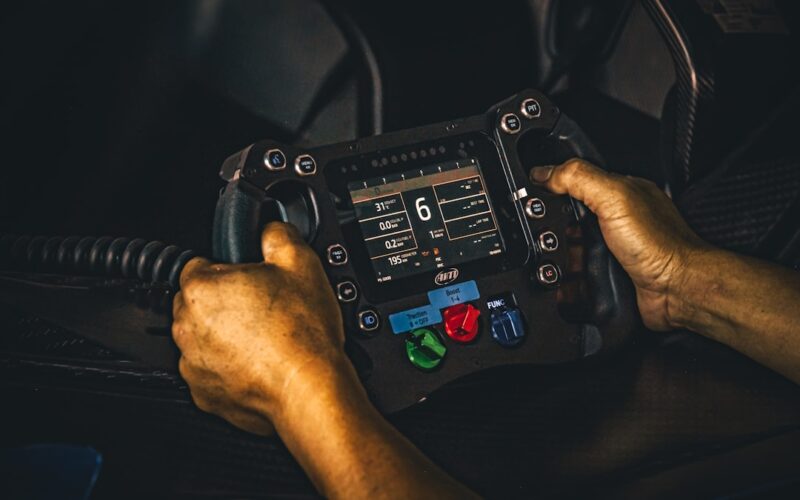
A Tesla driver crashed, blamed Full Self-Driving, and then the black box told a different story. The NTSB investigation confirmed the driver pressed the accelerator to 100%, demolishing the claim that autonomous features caused the collision. This isn’t just a vindication for Elon Musk or a gotcha moment for a careless driver—it’s a preview of how autonomous vehicle accountability will actually work once courts, insurers, and regulators demand data transparency. And it exposes a dangerous gap in how we’ve been handling FSD crashes until now.
For years, the script has been predictable: driver crashes, blames autopilot or FSD, Tesla denies fault, lawsuits drag on. But this case broke the pattern because the data was readable and the NTSB had the authority to interpret it. That’s the rare exception today, not the rule. Most crash investigations involving autonomous features remain opaque, contested, and slow. As autonomous vehicle deployments scale from beta programs to mainstream adoption, we’re barreling toward a collision between legal liability frameworks designed for human drivers and technology designed to shift responsibility in ways we don’t yet fully understand.
The Data-Driven Pivot From Blame-Shifting to Accountability
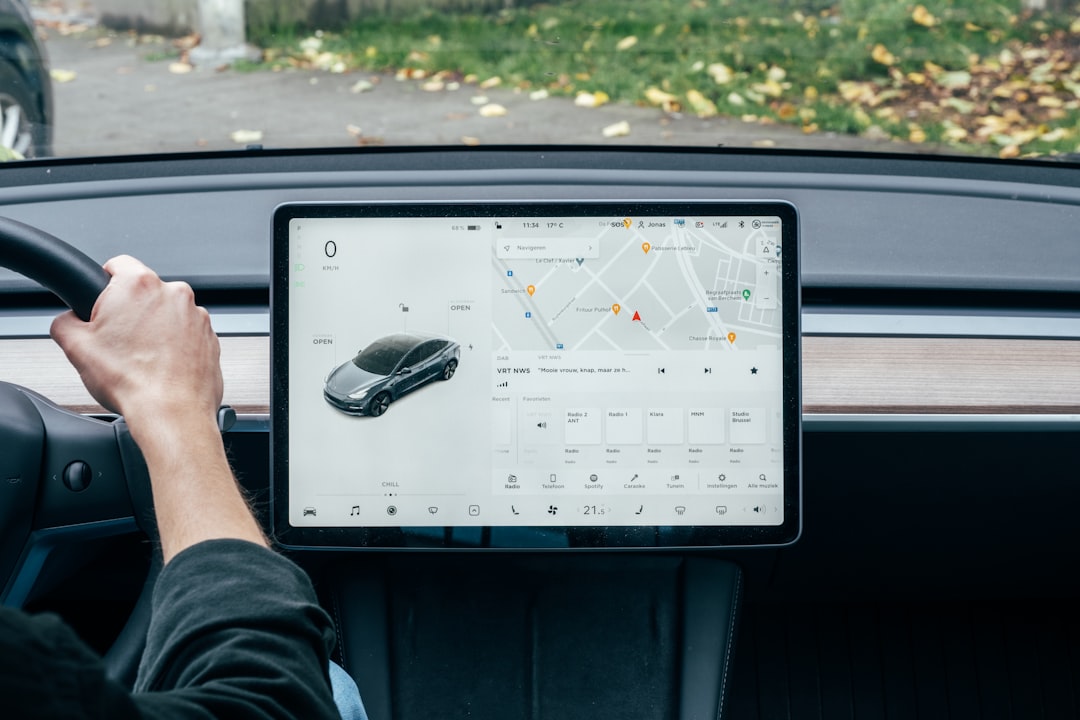
What makes this case significant isn’t that a driver lied—it’s that lying became provably pointless. The NTSB found that the driver overrode FSD by manually controlling the vehicle, and the telemetry backed it up. In the era of autonomous vehicle deployments, this is what accountability looks like: hard data, not arguments.
The problem is we’ve spent the last decade without this. Tesla vehicles have been collecting driving data for years, but access to that data in crash investigations has been restricted, disputed, or simply unavailable to plaintiffs’ attorneys. Insurance adjusters have had to make fault determinations based on driver testimony, dashcam footage, and whatever Tesla’s official statement was. Regulators could investigate, but they lacked legal teeth to compel real-time transparency.
That’s changing, and this case is a accelerant. Once courts see that black-box data can definitively answer “Did the driver actually press the accelerator?”—the biggest open question in autonomous vehicle liability—they’ll start demanding it as standard discovery. And manufacturers will have to choose between compliance or becoming defendants in every contested crash.
Why Black-Box Mandates Matter More Than Safety Ratings
Here’s the uncomfortable truth about autonomous vehicle deployments right now: we’re running a massive, uncontrolled experiment in fault attribution. When a Tesla driver crashes while using FSD, is it a software failure, a driver failure, or a misunderstanding of what the feature actually does? Right now, each party has incentive to blame the other, and the data that could settle the question often stays locked in Tesla’s systems.
A federal black-box mandate for autonomous features wouldn’t just solve crashes retroactively—it would change how manufacturers design, market, and constrain autonomous systems in the first place. If every 100% accelerator override gets logged and potentially reviewed, developers might code differently. Marketers might dial back the “autopilot” language that convinces drivers the car is doing more than it actually is.
The NTSB’s findings in this case are essentially proving what should be obvious: transparency works. But it only works when it’s mandated, standardized, and accessible to courts and insurers—not when it’s a favor manufacturers grant case-by-case.
The Precedent Trap: One Case, Many Implications
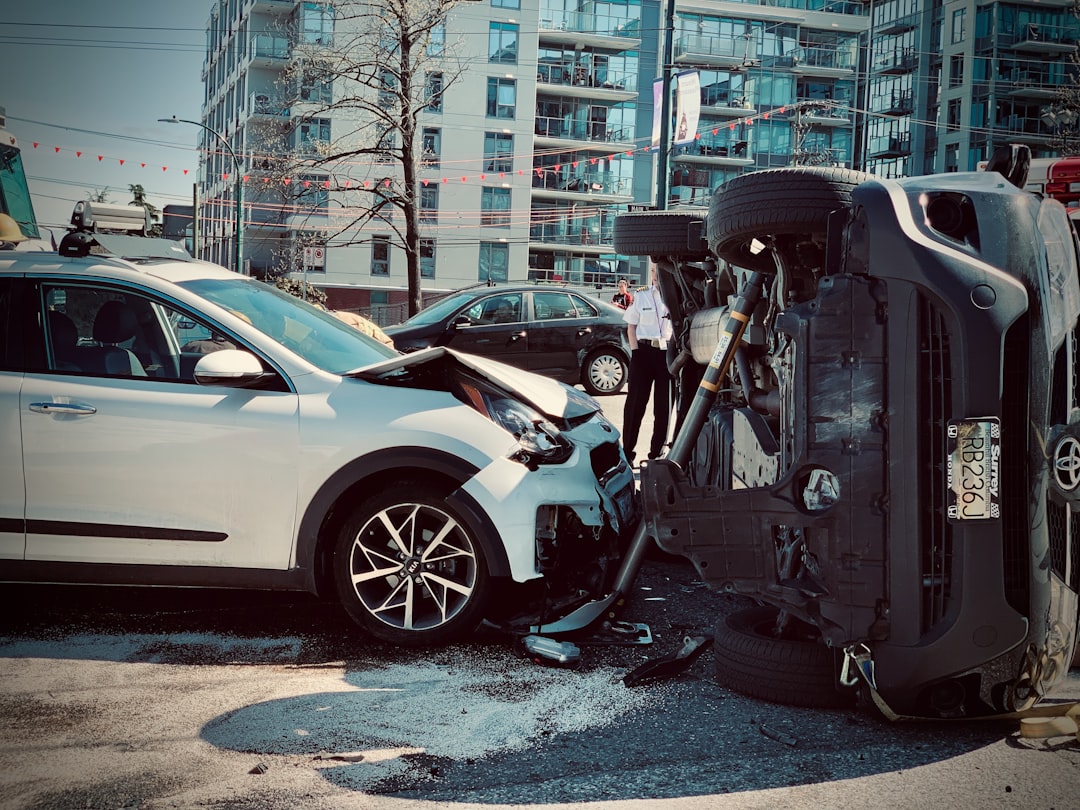
We need to be careful not to over-read this single investigation. One driver’s floored accelerator doesn’t mean all FSD crashes were driver error. Some genuinely could be software failures that data would expose. But that’s exactly why the precedent matters.
Defense attorneys will now point to this case in every FSD liability dispute: “See, the NTSB proved the driver was at fault.” Plaintiffs’ lawyers will counter by demanding the same level of data access for their clients’ cases. Insurance companies will start writing FSD-specific policies. Regulators will face pressure to mandate standardized data formats and access protocols.
The risk is that we cement a legal framework before we’re ready. If courts start treating black-box data as gospel without understanding how autonomous features actually fail, we could end up absolving manufacturers of responsibility for real design or safety problems. If we give manufacturers too much control over how that data is interpreted, we’re back to square one.
What to Watch: The Insurance Industry’s Move
Insurance companies are slower to act than tech media, but they’re watching this case carefully. Once a major insurer uses black-box data to deny a claim in an autonomous vehicle crash, the legal landscape shifts overnight. Drivers will demand that their FSD-equipped Teslas come with detailed contracts explaining what data gets logged and how it can be used. Manufacturers will have to decide whether to comply or face coverage gaps that tank resale value.
The real pressure won’t come from regulators or plaintiff lawyers—it’ll come from the actuarial tables. Insurance is fundamentally about data and risk. The moment underwriters have reliable data on how FSD crashes actually happen, the cost of insuring autonomous vehicle deployments will either plummet or spike, depending on what the data shows. Either way, opaque black boxes become uninsurable.
This case killed the autopilot alibi not because it proved one driver’s fault, but because it proved that accountability is possible. Everything that comes after is just the industry adjusting to a world where the excuses don’t work anymore.
—
Related reading on HighTechz
- China AI deal sets template for government AI control
- State Antitrust Enforcement Challenges Federal Deal Approvals
- OpenAI Safety Leadership Departures Signal Real Priorities
Editor’s note: This article was researched and drafted with AI assistance (Claude), edited for accuracy and voice, and reviewed before publication. Source headlines that informed our analysis are linked inline. If you spot a factual error, let us know.
