

The Fake Actor Loophole: How AI Personas Dodge Hollywood’s Labor Wars
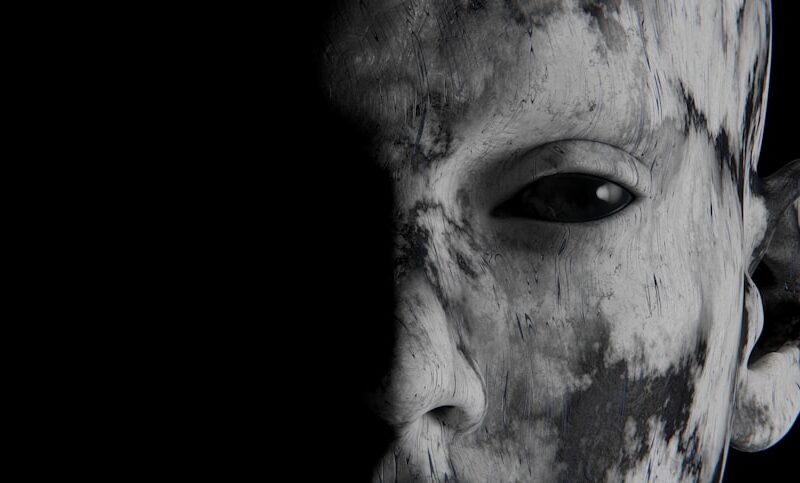
A digital actor named Tilly Norwood just landed a feature film role. She doesn’t exist. She has no agents negotiating her contract, no union card, no stake in whether the industry treats her fairly—because she can’t want anything. Yet her casting in the film Misaligned signals a quiet pivot in how studios might sidestep the consent and labor battles that have defined Hollywood’s recent AI wars.
This isn’t the same as using a real actor’s likeness without permission—the fight SAG-AFTRA has been waging since 2023. This is different, and potentially more consequential. By inventing a synthetic persona from scratch, studios may have found a legal loophole that lets them deploy AI actors at scale while ducking the thorny questions about consent, compensation, and labor rights that have made deploying existing actors’ likenesses legally toxic.
We need to talk about what this actually means, because it reveals something uncomfortable: the rules we built to protect actors might only protect actors who are famous enough to sue.

The Consent Problem No One’s Solving
When SAG-AFTRA fought for AI likeness protections in 2023, the union focused on a real harm: studios using a real person’s face, voice, or mannerisms without permission or ongoing compensation. The contract language that emerged reflected that specific grievance—it addressed how your digital double can’t work without you.
But it didn’t address whether Hollywood could just invent new performers instead.
Tilly Norwood exists in a legal void that no recent labor agreement really contemplates. She’s not a real actor whose rights are being violated. She’s a product—no different, arguably, than a costume or a set piece. Studios can claim they’re not sidestepping labor protections because they never promised labor protections to an AI character in the first place. There’s no likeness to steal because there’s no original person to steal from.
This is the fake actor loophole in its purest form: create the persona, skip the negotiation, deploy at will.
The ethical problem is obvious. But the legal one is thornier than it looks. You can’t sue on behalf of a fictional character for likeness rights. You can’t argue unfair labor practices when there’s no labor—just training data and rendering. And if the studios get clever about their training and the character’s design, they might avoid even the deepfake detection flags that at least signal something artificial is happening.
Why Studios Are Quietly Moving This Direction
The math is simple. Hiring a real actor—even as a synthetic double—invokes union contracts, consent clauses, and residual payments that escalate with use. A synthetic persona designed from scratch, trained on generic motion-capture and voice data, incurs none of those costs. It can work unlimited hours, take on any role, and be repurposed across franchises without renegotiating anything.
For studios, the appeal is obvious. For the industry’s labor dynamics, it’s a ticking bomb.
The fact that an AI character is reportedly headlining a full-length feature film suggests this isn’t a one-off experiment or marketing stunt. It’s a proof of concept. If Misaligned performs decently and generates no legal blowback, expect more synthetic actors. Not replacing A-listers—at least not yet. But filling the mid-tier and supporting roles where the labor costs are substantial but the earning power is modest. That’s where the financial pressure on studios is real, and where the fake actor loophole becomes strategically attractive.
The Precedent Problem
Here’s what worries us most: once this pattern sets in, it becomes self-reinforcing. Studios deploy synthetic actors, audiences get comfortable with them, and the pressure to hire human actors for lower-tier roles drops. Casting directors’ budgets shrink. Agents have fewer clients to place. The labor pool for working actors—the ones who aren’t megastars—contracts.
SAG-AFTRA can’t easily fight synthetic personas the way it fought likeness theft. There’s no “person” to protect. The union’s leverage depends on real actors being economically essential to production. But if studios can credibly build features around digital characters, that leverage erodes.
This isn’t speculation. It’s happened in other industries. Automation doesn’t usually wipe out jobs overnight; it erodes the middle. And in a creative field where most people are already working gig-to-gig with unstable income, even a 10–15% contraction in available roles is brutal.
The fake actor loophole doesn’t solve Hollywood’s labor problems. It sidesteps them. And sidestepped problems tend to metastasize.
What We’re Actually Asking
The real question isn’t whether studios can do this—they clearly can. It’s whether they should, and what rules, if any, should prevent it.
One approach: extend residual payment structures to synthetic characters, making the fake actor loophole economically equivalent to hiring real ones. That would erase the cost advantage. Another: require transparent disclosure when films use synthetic performers, giving audiences and artists the choice to engage (or not). A third: establish minimum percentages of human performers in feature films, protecting the labor market itself rather than individual likenesses.
None of these are perfect. But doing nothing means accepting that Hollywood’s labor future is a race to the bottom between human actors competing against infinitely flexible, infinitely cheap digital workers they don’t control.
What to Watch
Monitor whether Misaligned gets greenlit for theatrical release and how it performs. Watch for industry adoption patterns—if other studios greenlight synthetic-led projects in the next 12 months, you’ll know this isn’t a fluke. And pay attention to SAG-AFTRA’s next contract round. If the union doesn’t address synthetic personas directly, the fake actor loophole becomes permanent policy by default.
The stakes here aren’t about one film or one fictional character. They’re about whether the rules we built to protect labor in Hollywood actually protect labor, or just protect the famous.
—
Related reading on HighTechz
- South Koreas Chip Workers: Status as Strategy
- Midjourney Forces Studios to Reveal Their Own AI Use
- Satellite Internet Duopoly: Amazon Leo and Starlink
Editor’s note: This article was researched and drafted with AI assistance (Claude), edited for accuracy and voice, and reviewed before publication. Source headlines that informed our analysis are linked inline. If you spot a factual error, let us know.
