

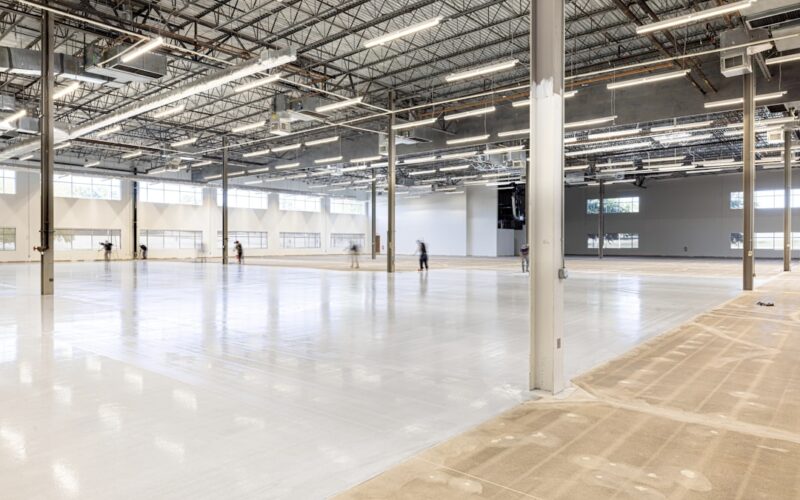
Cities Are Finally Saying No to the Data Center Land Grab
Seattle just did something that felt unthinkable two years ago: it hit pause on data centers. Per Engadget, the Seattle City Council has approved a moratorium on the construction of large data centers, signaling that municipalities are starting to push back against the relentless appetite of Big Tech’s infrastructure buildout. Meanwhile, General Motors isn’t waiting for permission—the company is developing sodium-ion battery chemistry for use in data centers and the grid, betting that solving the power problem is how you win the right to build more of them.
These aren’t isolated moves. They’re the opening shots in what’s shaping up to be the defining municipal tech policy battle of this decade: the fight over who pays for AI’s infrastructure costs—and whether cities have any say in the answer.
The Land Grab That Nobody Wanted to Name
Here’s what gets lost in the hype cycle around AI deployment: data centers aren’t just computing facilities. They’re land-intensive, power-hungry installations that reshape local ecosystems and electrical grids. A single hyperscale facility can consume as much power as a mid-sized city and demand millions of gallons of water for cooling.
For years, cities rolled over. Economic development offices were desperate for tax revenue, and Big Tech’s playbook was simple: promise jobs (usually in construction and IT), lobby hard, and move fast. By the time a community realized what was happening—power bills rising, water tables dropping, zoning changed—the facilities were already breaking ground.
Seattle’s moratorium represents a rare moment of municipal self-awareness. The city isn’t saying “never.” It’s saying “we need time to figure out what this actually costs us.” That’s a much more dangerous statement to the industry than an outright ban.
Why Battery Chemistry Suddenly Matters
GM’s pivot into data center battery infrastructure is instructive. The company isn’t positioning this as charity. It’s hedging. If data centers can’t connect to the public grid without destabilizing it, then whoever controls the alternative power supply controls the conversation.
This is how leverage works in infrastructure: whoever solves the hard constraint problem gets to set terms. Right now, grid capacity and water access are the constraints. GM’s bet—that energy storage can decouple data centers from direct grid dependency—could either accelerate deployment (if batteries actually work at scale) or expose how expensive the real solution is (spoiler: probably expensive).
What’s worth watching: if proprietary battery solutions become the de facto requirement for building a data center, you’ve just handed a manufacturing company veto power over your local power supply chain. That’s not more freedom for cities; it’s just a different landlord.
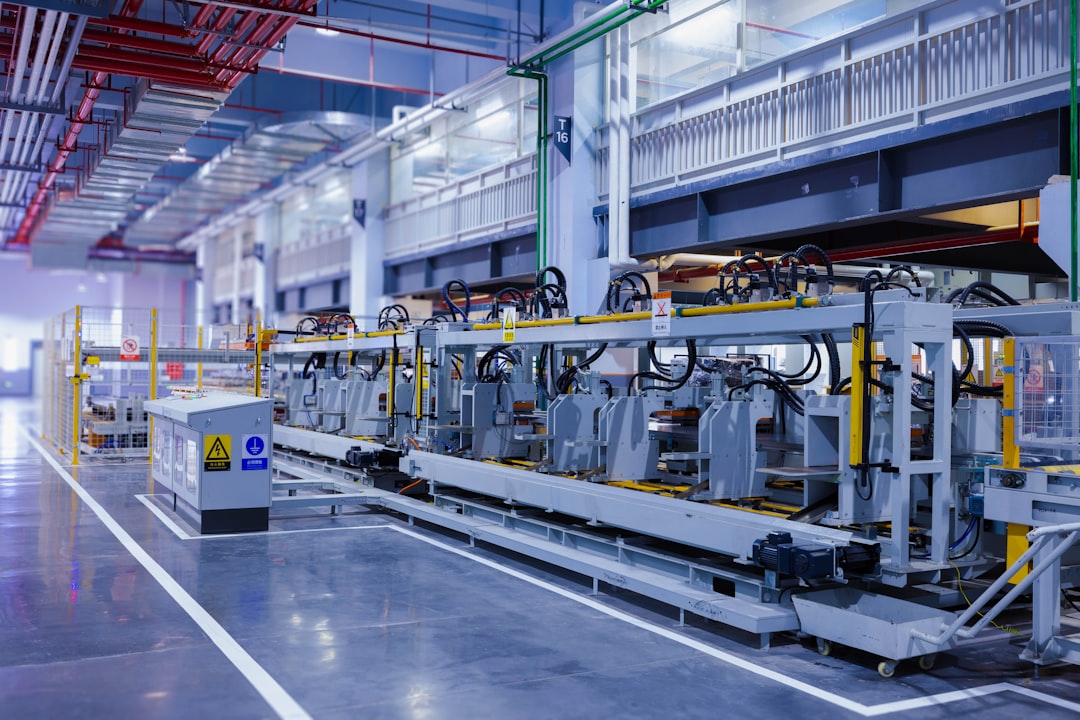
The Leverage Shift Nobody Saw Coming
For a decade, cities competed against each other. If Seattle said no, AWS built in Snoqualmie or Tacoma. If Oregon raised concerns, the company moved to Washington. The game was divide and conquer, and Big Tech was very good at it.
But demand has shifted. There are only so many locations in North America with the right combination of cheap power, cooling capacity, and grid stability. That scarcity—which used to favor tech companies—is now starting to favor cities. If you’re in one of those rare viable locations, you don’t need to be grateful for the opportunity anymore. You can set conditions.
Seattle’s moratorium is only possible because Seattle already has data center capacity and because demand is so intense elsewhere that losing Seattle matters less to the industry than building everywhere else. This is the municipal equivalent of a workers’ market: when labor is scarce, workers can demand better terms. When suitable locations are scarce, cities can too.
The Real Battle: Who Pays?
Here’s the part that almost never gets discussed in a straightforward way: data centers are profitable. Very profitable. The companies building them aren’t doing it charitably. So when a city agrees to host one, it’s essentially accepting responsibility for the externalities—the power grid strain, the water use, the construction disruption—in exchange for tax revenue that often doesn’t offset the actual public costs.
Seattle’s decision to take time before approving more facilities isn’t anti-technology. It’s anti-subsidy. The city is asking: what does it actually cost us to make your infrastructure work here? What do we lose? Who bears that loss? Do we get compensated fairly for it?
Those aren’t radical questions. They’re the baseline questions that should have been asked all along.
What to Watch
The real test isn’t whether Seattle’s moratorium holds—it probably will, at least for a year. The test is whether other cities start doing the same thing. If Portland, San Francisco, or Denver follow Seattle’s lead, you’ve got a movement. The industry will pivot to locations with fewer organized resistance: smaller cities in red states, rural areas without strong city councils, regions where environmental review is lighter.
That’s not a solution. That’s just moving the problem. The only sustainable outcome is one where cities actually share in the upside of having critical infrastructure on their land—not through distant tax revenue, but through direct power provision (their own grids, their own batteries), water rights, or equity stakes in the facilities themselves. Make the hosting city a stakeholder, not just a host.
GM’s battery play might accidentally make that possible. If energy storage can be installed locally and independently, cities could theoretically control their own power in their own interest. That’s the leverage Seattle is reaching for. The question is whether they’ll use it.
—
Editor’s note: This article was researched and drafted with AI assistance (Claude), edited for accuracy and voice, and reviewed before publication. Source headlines that informed our analysis are linked inline. If you spot a factual error, let us know.
