

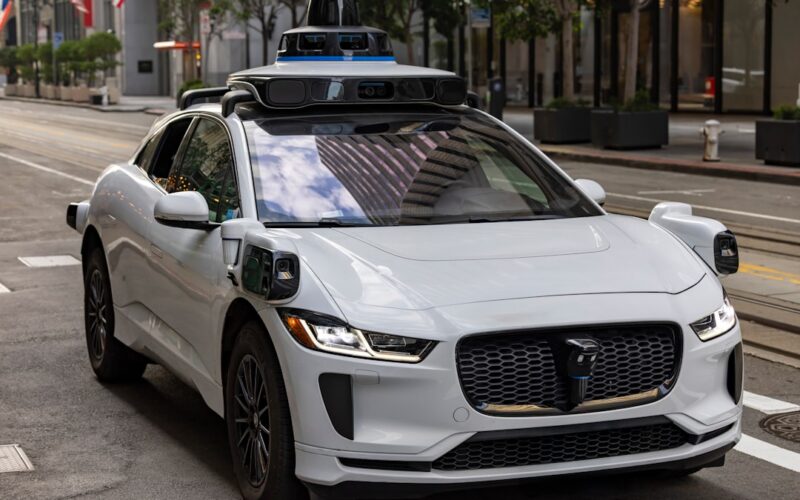
Robotaxis Weren’t Tested for the World We Actually Live In
A Zoox robotaxi got confused by smoke. Not by another car, not by a pedestrian darting between parked vehicles, not by any scenario that shows up in a test facility’s playbook—but by smoke. Per TechCrunch, the company issued a software recall after its autonomous vehicles failed to respond correctly in heavy smoke conditions. This isn’t a minor edge case. It’s a signal that the entire robotaxi certification framework is built on test scenarios that don’t match reality.
Every summer now, millions of Americans breathe air thick with wildfire smoke. Fog rolls in at dusk across the Bay Area and Pacific Northwest. Dust storms whip through Arizona. These aren’t rare events anymore—they’re routine environmental conditions that any vehicle operating on U.S. roads will encounter. Yet NHTSA has reportedly called for AV companies to improve how cars respond in emergency situations, implying that current testing doesn’t adequately cover them. The robotaxi industry is rolling out vehicles tested in a sanitized version of the world, then expecting them to handle the real one.
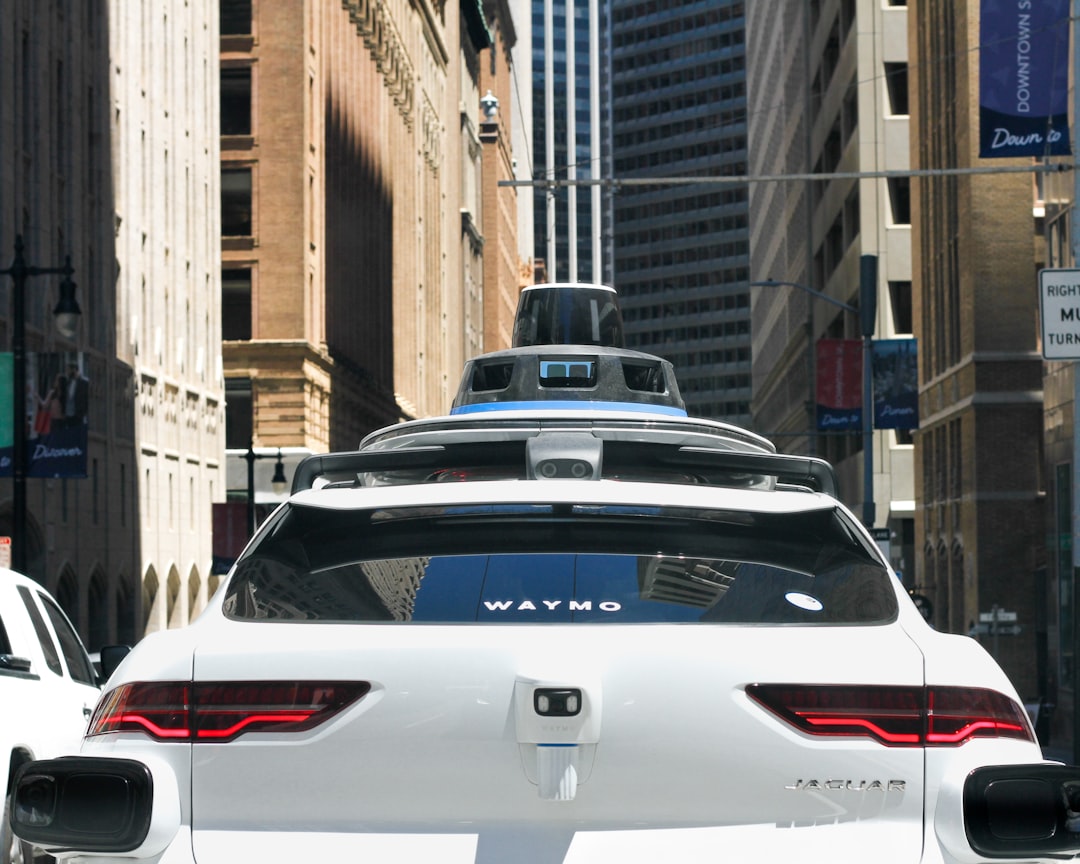
The Testing Gap: Nice Conditions Only
Here’s the uncomfortable truth about how robotaxis get certified: there’s no standardized test suite for how autonomous vehicles perform in reduced visibility caused by environmental conditions. NHTSA doesn’t require manufacturers to validate their systems against smoke, dense fog, or dust at specific concentrations. They test in controlled environments with defined weather parameters—light rain, clear skies, standard visibility ranges. Meanwhile, the real world introduces variables that nobody agreed to measure.
Zoox’s robotaxi likely relies on a sensor stack including cameras, lidar, and radar. Each of those sensors has documented failure modes in certain conditions. Smoke and particulates can scatter lidar beams and degrade camera image quality. But because there’s no agreed-upon standard for “safe performance in X microns of airborne particulate matter,” manufacturers design their own validation thresholds—or worse, skip testing altogether until a failure goes public.
The robotaxi industry sold us on a future of safer, more reliable autonomous vehicles. Part of that pitch hinges on rigorous testing and validation. But “rigorous” only means as rigorous as the certification criteria allow. And right now, those criteria don’t cover weather and environmental conditions that are becoming baseline across North America.
Why Regulators Got This Wrong
This isn’t NHTSA’s first warning sign. The agency has already flagged concerns about autonomous vehicles interfering with first responders during emergencies. But there’s a gap between “we see a problem” and “we’ve written new standards.” Regulatory bodies move slowly, partly because they’re reactive. They typically strengthen rules after a failure, not before. You need an incident, an investigation, and enough public pressure to shift the needle.
The robotaxi industry accelerated faster than the certification framework could adapt. Companies had political will, venture capital, and public enthusiasm. Regulators had bureaucracy. So we got robotaxis approved under a patchwork of state-level rules and federal guidelines that never anticipated the specific failure mode of “heavy smoke confuses the vehicle’s perception system.”
This matters because robotaxis operate on public roads with real stakes. A human driver in smoke adjusts—slows down, turns on hazard lights, compensates with experience. A robotaxi that’s confused might stop unexpectedly, or worse, behave unpredictably in a way that confuses other drivers. That creates cascading safety risks that the certification process never modeled.
The Smoke Recall Is Just the Canary
Zoox’s smoke-blindness isn’t an isolated problem that one software patch fixes. It’s evidence of a category of failure modes that the industry hasn’t systematically addressed. If smoke breaks the system, what about:
– Dense morning fog in coastal cities
– Dust storms in the Southwest
– Heavy snow that covers lane markings
– Salt spray and road treatment chemicals that corrode sensors
– Glare off wet pavement at specific sun angles
None of these are exotic. All of them occur routinely in the places where robotaxis are supposed to operate. Yet I’d be shocked if you could find a published robotaxi safety validation report that explicitly tests performance under wildfire smoke conditions at different particulate densities. That test simply isn’t part of the standard.
The uncomfortable implication: there are probably other environmental conditions where current robotaxis fail, and we won’t know about them until they happen in public. Regulatory certification gave the robotaxi industry a false floor of confidence, when in reality, the foundation is shakier than anyone publicly acknowledged.
What the Industry Should Do
The fix isn’t to ban robotaxis in smoky conditions. It’s to make environmental robustness a baseline requirement, not an afterthought. Manufacturers need to validate performance across a defined spectrum of visibility and atmospheric conditions. Regulators need to mandate it as part of approval. Industry groups need to establish standardized test protocols—similar to how automotive safety has standardized crash test scenarios.
This requires time and money, which both cuts into timelines and deployment ambitions. That’s why it hasn’t happened yet. But the alternative is a patchwork of regional recalls and reactive fixes, which is worse for the industry’s credibility and public trust.
Bottom Line
The robotaxi story isn’t broken; it’s incomplete. The technology works under the conditions it was tested for. The problem is that “tested conditions” don’t map to “actual conditions.” As wildfire smoke becomes a routine urban condition—not a once-a-decade anomaly—vehicles that fail in smoke are vehicles that aren’t ready for the roads they’re being deployed on. Zoox’s recall is a chance for the entire robotaxi sector to acknowledge that baseline environmental robustness testing isn’t a nice-to-have feature. It’s a prerequisite for real-world deployment. Whether the industry and its regulators actually treat it that way is still an open question.
—
Related reading on HighTechz
- Tesla Autopilot Data and Liability: A Reckoning Begins
- China AI deal sets template for government AI control
- State Antitrust Enforcement Challenges Federal Deal Approvals
Editor’s note: This article was researched and drafted with AI assistance (Claude), edited for accuracy and voice, and reviewed before publication. Source headlines that informed our analysis are linked inline. If you spot a factual error, let us know.
