

Your Next Glasses Might Be a Cop’s Best Informant
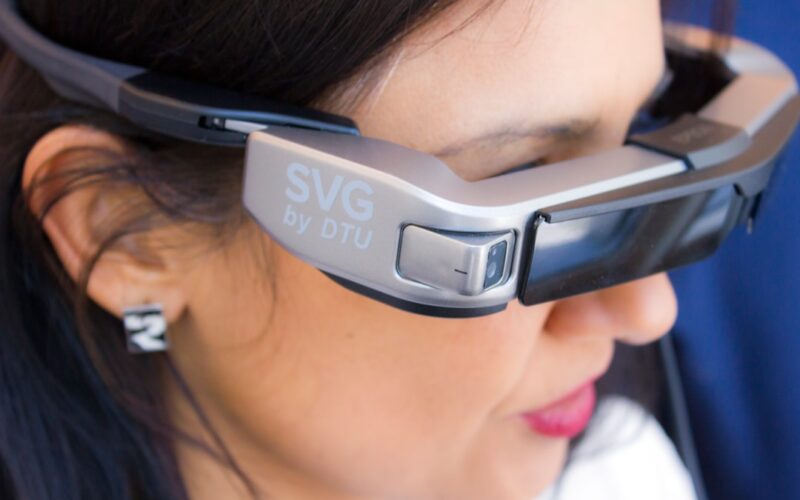
Meta is testing facial recognition software on consumer smart glasses—the kind used by police and the military. This isn’t speculation or a privacy advocate’s nightmare scenario. It’s happening quietly right now, with consumer devices. And it’s the clearest signal yet that the smart glasses race isn’t about helping you answer emails hands-free or finding that restaurant you half-remembered. It’s about building the world’s most intimate surveillance network—and we’re being asked to fund it with our eyeballs.
The timing matters. As Qualcomm rolls out more powerful chips designed specifically to power next-generation smart glasses, and companies like Snap, Xreal, and Meta converge on face-level AI hardware simultaneously, we’re entering what might be the last window to debate what we actually want these devices to do—before wearing AI-powered glasses becomes as normal and unremarkable as carrying a smartphone.
The Quiet Normalization Playbook
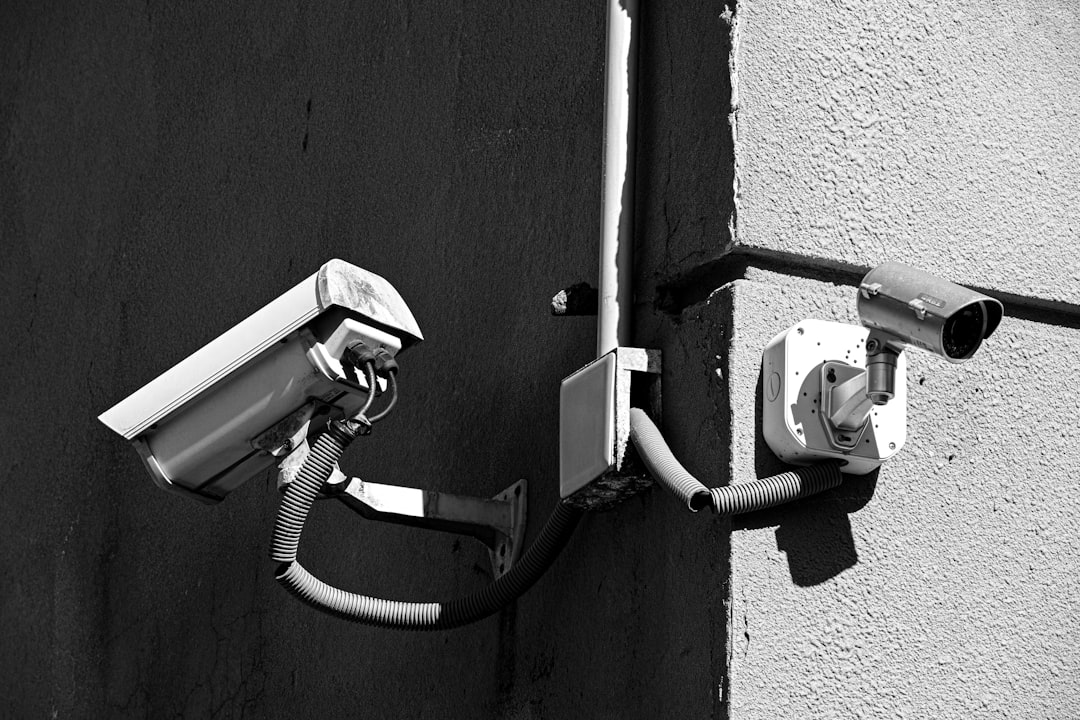
Here’s what bothers us most about this moment: it’s not secretive in the dramatic sense. Meta isn’t hiding the facial recognition testing in some lab. They’re doing it with products people are already wearing. It’s normalization through gradual introduction—the same playbook that got location tracking, permission creep, and algorithmic feeds embedded into daily life.
The pitch to consumers has been consistent for years: smart glasses will be the next computing platform. Helpful overlays. Hands-free navigation. Real-time translation. Genuine productivity gains. None of that is false. The glasses can do those things. But the architecture being built underneath—the ability to identify everyone you look at, cross-reference that data in real time, and feed it into law enforcement databases—that’s not a feature request. It’s the actual business model. The productivity stuff is the vehicle.
Think about where we are with smartphones for a moment. Most of us accept that our phones track our location, monitor our behavior, and sell insights about us to advertisers. We accepted it incrementally, feature by feature, privacy trade-off by privacy trade-off. Now imagine that same device is mounted on your face, collecting biometric data on every person you encounter, recording their reactions, their location, their associates. The surveillance capabilities increase by orders of magnitude—and we’re still in the phase where people see them as accessories, not infrastructure.
The Hardware Race Creates Its Own Logic
The convergence of Meta, Qualcomm, and others on powerful on-device AI for glasses isn’t a coincidence. The Augmented World Expo this week is showcasing just how competitive this space has become. When multiple companies are racing toward the same endpoint—always-on, face-level computing—the worst safety outcomes become the most inevitable ones.
Here’s the uncomfortable truth: once the hardware exists, it becomes politically difficult to not exploit it. A police department that knows facial recognition is available on millions of consumer glasses will eventually request access to that data stream. A corporation will see the competitive advantage. An authoritarian regime will simply mandate it. We don’t have to imagine these scenarios. They’re the logical endpoint of the technology, not dystopian outliers.
And unlike your phone, you can’t just leave your smart glasses at home. The pressure to wear them socially, professionally, and for FOMO reasons will be immense. They’re not a tool you pick up—they’re a second pair of eyes everyone expects you to have.

What We’re Not Talking About
The most frustrating part of this story is that there’s almost no public debate about it. Meta testing police-grade facial recognition is a headline. It’s not a scandal. We’ve become so accustomed to surveillance infrastructure being built incrementally that even something this explicit doesn’t trigger collective action.
We’re not talking about what happens when your smart glasses can identify people at a protest and upload their faces to a database in real time. We’re not discussing the liability: if someone wearing AR glasses commits a crime and their recordings become evidence, what are your privacy expectations when you’re in their field of view? We’re definitely not examining why the companies building this technology have such a poor track record on the privacy vs. profit calculation.
Instead, the narrative stays focused on the near-term benefits: better AI, lighter processors, new applications. Those things are real. But they’re also the reason the dangerous capabilities get built without friction.
What to Watch
The smart glasses market is still nascent enough that we have choices to make—but the window is closing. The hardware becoming more powerful is inevitable. The question is whether we establish norms, regulations, and consumer expectations before facial recognition on eyewear becomes as invisible and accepted as location tracking on your phone.
Watch for: Companies making explicit commitments about on-device processing without cloud uploads of biometric data. (Most won’t.) Regulatory proposals that actually restrict police access to consumer data streams. (Don’t hold your breath.) Consumer adoption patterns that might tell us whether people actually care about these privacy implications, or whether convenience wins again.
The next wave of smart glasses might genuinely be useful. But usefulness doesn’t make a surveillance network any less of a surveillance network—especially when we’re funding the development ourselves.
—
Editor’s note: This article was researched and drafted with AI assistance (Claude), edited for accuracy and voice, and reviewed before publication. Source headlines that informed our analysis are linked inline. If you spot a factual error, let us know.
