

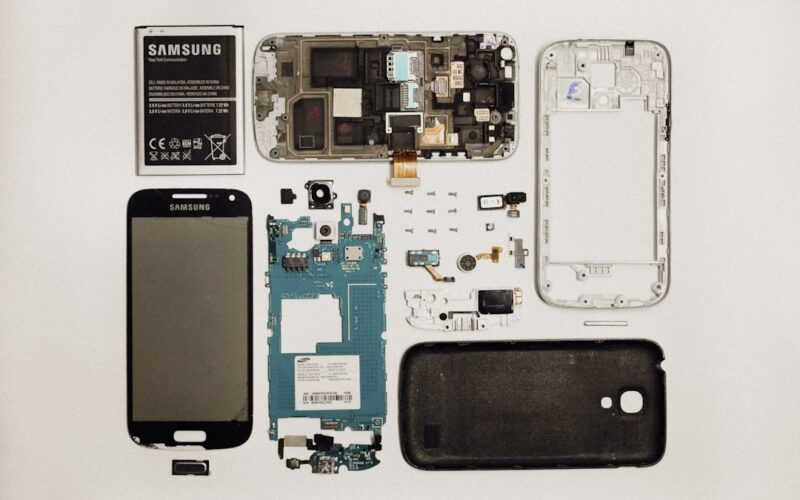
iFixit’s Trump T1 Teardown Is the Real Made-in-USA Audit
A gold-painted smartphone that boots up with a competitor’s motherboard inside is not a hardware failure—it’s a marketing one. iFixit’s teardown of the Trump T1 didn’t just confirm what skeptics suspected; it documented, with CT scans and a successful motherboard swap test, that Trump Mobile sold 590,000 pre-orders on a promise the supply chain never delivered. The only components original to the T1 are cosmetic: a paint job, a logo, and a battery with worse charging specs than its donor device. Everything else—processor, display, camera array, antenna design—came from an HTC U24 Pro that launched in 2024 at the same $499 retail price.
This is the most consequential consumer-tech accountability piece of 2026 so far, not because it’s shocking (rebranding is as old as electronics), but because it exposes how “made in America” marketing now operates when regulatory scrutiny is thin and trust is cheap to buy.
The Chassis Tells Most of the Story
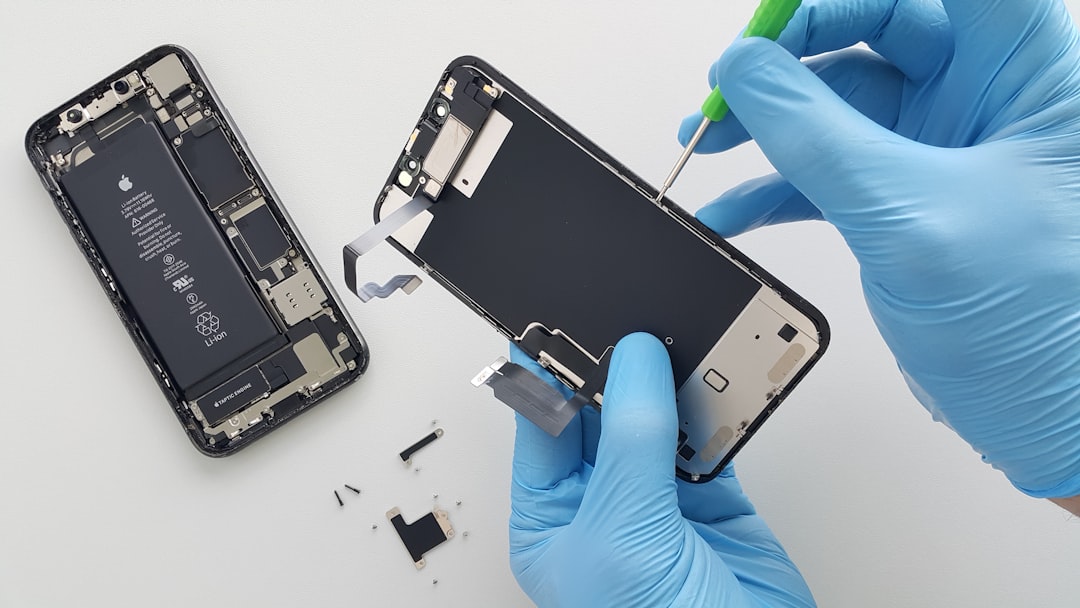
Strip a Trump T1 down to its frame, and you’re looking at an HTC device with a new coat of paint and repositioned logos. Per TechRadar, Trump Mobile’s marketing language shifted midway through pre-orders—from “made in America” to “assembled in the USA,” a distinction that matters legally but meant nothing to most buyers who saw the earlier campaign. The subtle changes iFixit documented—a camera flash repositioned by millimeters, a speaker grille with seven circular holes instead of six—aren’t engineering choices. They’re the bare minimum needed to justify a new SKU.
The HTC U24 Pro itself is a respectable mid-range device. But it’s a 2024 product. Reselling two-year-old hardware at full retail price under a nationalist banner is only defensible if the “American value” pitch is real. It wasn’t.
Where “Assembled in the USA” Becomes a Legal Escape Hatch
The language pivot is the centerpiece of Trump Mobile’s defense strategy, and it’s also the reason this teardown matters beyond gadget culture. “Made in America” conjures a supply chain rooted domestically—American labor, American sourcing, American innovation. “Assembled in the USA” means someone put screws in an existing device on American soil.
These are not the same thing, and the FTC has historically been sloppy about distinguishing them. A product can be “assembled” in a warehouse in Texas using parts manufactured in Taiwan and China, and technically comply with that label. But when a company’s entire marketing premise—and the reason people paid for a product—rests on that distinction being invisible to consumers, the gap between legal compliance and consumer deception grows wide.
Trump Mobile’s own supply-chain silence has been telling. No one from the company has disputed iFixit’s findings with component-level rebuttals. Instead, we’ve seen brand statements about “American values” that don’t address the actual hardware question.
Why This Matters for Every “American-Made” Tech Product Now
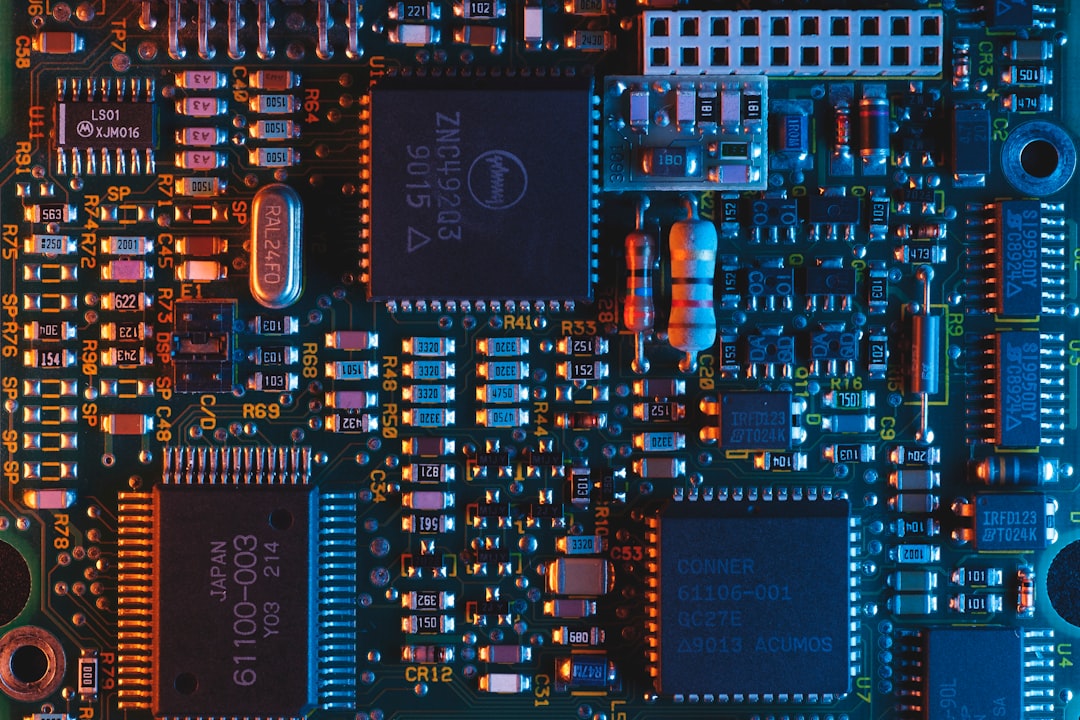
iFixit didn’t invent a new standard here, but they did enforce one that tech companies have spent years eroding: the obligation to show your work. By opening the phone, photographing every PCB, and running a cross-device motherboard compatibility test, they created a record that can’t be hand-waved away.
That sets a precedent. Any future “made in USA” tech product now exists under the implicit threat of similar scrutiny. Investors and competitors both now know that iFixit and similar teardown specialists are willing to spend engineering time on accountability reporting. That changes the math for a company deciding whether to rebrand a foreign device.
It also exposes a gap in how we regulate this market. The FTC has tools to crack down on false advertising, but it requires complaints and investigation. A teardown is instant proof—and it’s publicly available before regulators can move. In 2026, citizens with screwdrivers and CT scanners are doing consumer protection work that government agencies should be doing at scale.
The Uncomfortable Question About Trust
The Trump T1 pre-order numbers—590,000 units at a $100 deposit each—tell you something important: millions of people want to buy products that align with their political identity and economic anxieties about American manufacturing. That’s not a character flaw. It’s a real market signal.
But that signal is also a liability for honesty. When political identity and purchasing collide, the incentive for bad actors to exploit the gap intensifies. Trump Mobile didn’t fail because Americans don’t want American-made phones; they failed because they tried to sell a foreign phone as an American one and assumed the marketing would stick.
The fact that iFixit had to be the auditor—not the company itself, not the retailers, not any government body—is the real story.
Bottom Line
The Trump T1 isn’t a phone anymore; it’s a case study in why supply-chain transparency matters. If Trump Mobile had been transparent about sourcing from day one—”We’ve partnered with HTC to assemble their proven design in the USA”—this conversation looks different. Instead, they built a brand on inference and marketing silence, and iFixit’s screwdriver proved that’s not a strategy that survives scrutiny.
What to watch: whether the FTC opens an investigation based on these findings, and whether other “American-made” tech products preemptively publish supply-chain documentation to get ahead of the transparency curve. The teardown era isn’t new, but the political weight behind it is.
—
Editor’s note: This article was researched and drafted with AI assistance (Claude), edited for accuracy and voice, and reviewed before publication. Source headlines that informed our analysis are linked inline. If you spot a factual error, let us know.
