

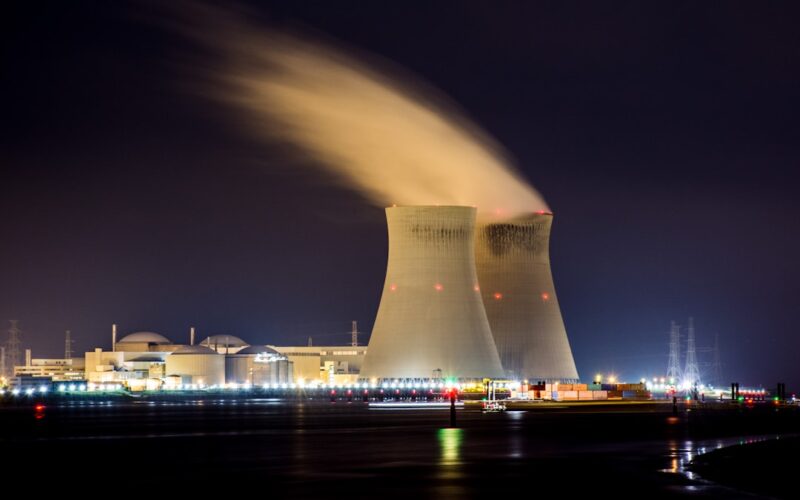
AI’s Dirty Secret: Big Tech Is Betting Its Future on Gas
When Nvidia announced a new liquid-cooled data center design last month, the PR message was clear: we’re solving AI’s water problem. Executives emphasized how the Rubin architecture would slash cooling water consumption inside the facility. It was a calculated response to mounting criticism—journalists and activists have spent the last two years raising alarms about AI’s thirst for water and electricity. The announcement landed as reassurance. Problem being solved. Move along.
Then Microsoft and Chevron quietly signed a 20-year power purchase agreement for a natural gas data center in West Texas, and the whole narrative inverted.
This isn’t about incremental efficiency gains or engineering trade-offs anymore. This is infrastructure lock-in on a generational timescale. Microsoft and Chevron’s deal represents an implicit, publicly unspoken admission: renewable energy cannot meet AI’s power appetite. Instead of confronting this reality, Big Tech is doubling down on the one energy source that’s always been reliable at scale—fossil fuels—and tying itself to that commitment for decades.
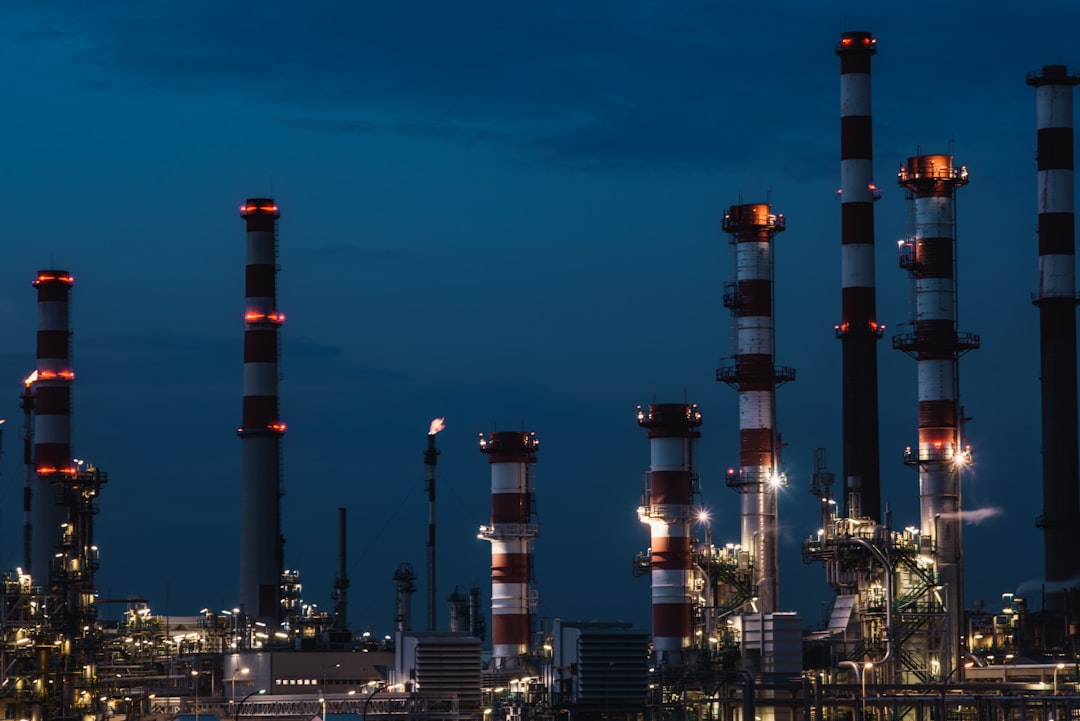
The Efficiency Theater Problem
Let’s be clear about what Nvidia’s water-saving announcement actually addressed. The company highlighted reductions in cooling water use inside the data center itself—a real engineering improvement, but one that masks a much larger problem. The energy cost of running AI systems doesn’t disappear when you cool the chips more efficiently. It just moves elsewhere.
Here’s the friction point that Nvidia’s messaging carefully sidesteps: most of that electricity still comes from somewhere. And when it comes from natural gas plants—which require enormous volumes of water for cooling the fuel combustion itself—you haven’t solved the water problem. You’ve hidden it upstream.
Per TechCrunch, the largest water footprint in AI infrastructure comes not from the data center but from the power plants that feed it. Nvidia’s engineers know this. So do Microsoft’s. The fact that the company chose to market internal cooling efficiency rather than address the energy source tells you what they’re actually optimizing for—optics, not outcomes.
What the Chevron Deal Really Signals
Microsoft’s 20-year lock-in with Chevron is the moment the industry stops pretending.
For the past two years, tech executives have bandied about targets: carbon neutrality by 2030, renewable-powered data centers, commitment to clean energy. These statements create the impression of a sector serious about environmental responsibility. But a 20-year contract with a fossil fuel producer isn’t a mistake or a short-term compromise. It’s a signal that someone did the math and came to an uncomfortable conclusion: renewable capacity can’t keep pace with AI’s scaling trajectory.
Solar and wind are improving. Battery storage is getting cheaper. But none of that changes the fundamental constraint: AI training and inference demands are growing exponentially, and the grid additions required to match that growth—while also keeping existing power systems running and transitioning away from carbon—operate on political and physical timescales measured in decades, not quarters.
Microsoft and Chevron aren’t building this infrastructure because gas is virtuous. They’re building it because it’s available, scalable, and bankable. A utility can finance a natural gas plant. Shareholders understand the business model. And critically, it doesn’t require waiting for a national energy transition that may or may not happen on anyone’s timeline.
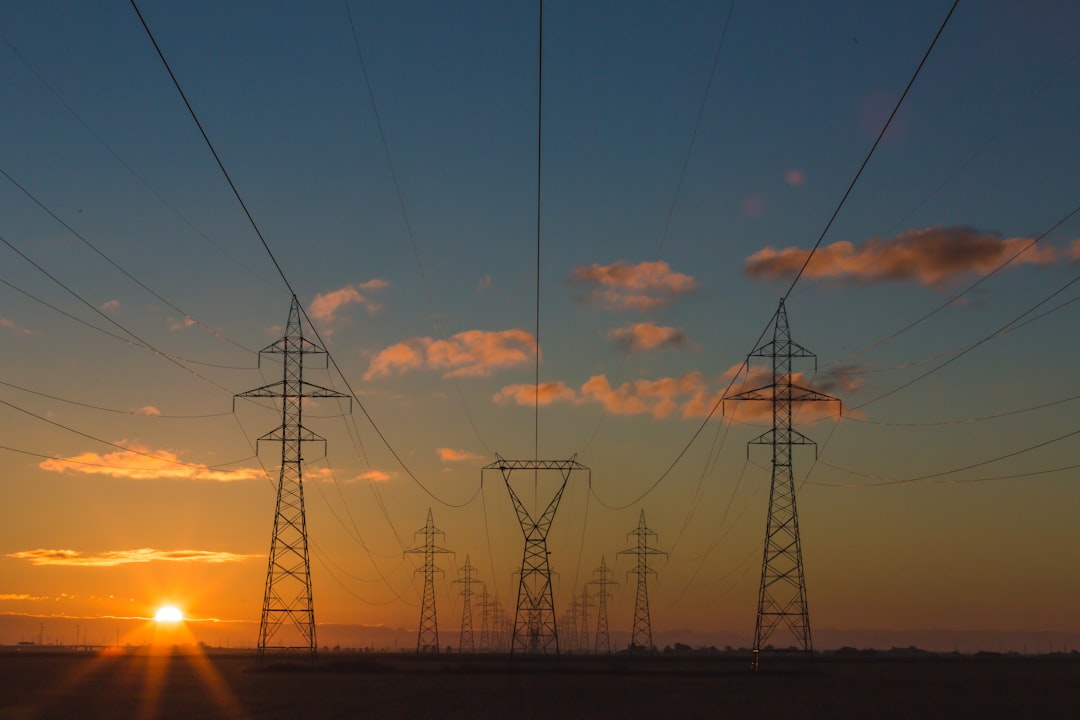
The Generational Bet Against Climate Action
Here’s what keeps us up: this isn’t a temporary energy bridge. This is a generational infrastructure decision made with almost no public reckoning.
If you sign a 20-year deal starting in 2026, you’re operating that gas plant until 2046. By then, the climate science will be even clearer. The political costs of fossil fuel infrastructure will be higher. And the economic case for renewable alternatives may be undeniable. But the contract will still exist. The sunk costs will create institutional inertia. The power plant will keep running because somebody paid for it and needs the revenue.
Big Tech’s bet, in other words, is that once you’ve locked in gas infrastructure at sufficient scale, you’ve bought yourself insurance against climate policy for the next 20 years. The machines keep running. The energy bill stays predictable. And the energy source doesn’t have to improve.
This is the industry’s private capitulation to the scale problem, dressed up in quarterly earnings reports and signed in a way that avoids a shareholder vote on the company’s stated climate commitments.
What to Watch
The real test isn’t whether Microsoft or Nvidia release new efficiency claims—they will, and many will be technically accurate. The test is whether any of them commit to retiring gas-powered infrastructure on a meaningful timeline, or whether the industry simply builds enough renewable capacity to serve as a supplement while the fossil fuel plants form the baseload.
Watch for how tech companies justify these contracts in their climate disclosures. Watch whether activist investors start pushing back on 20-year energy lock-ins. And watch whether the renewable energy industry—which has every incentive to compete for this business—starts making credible commitments to match AI’s growth trajectory.
Because right now, the message from Chevron and Microsoft is loud and unambiguous: we’ve chosen the sure thing over the hard thing. And everyone else is following.
—
Related reading on HighTechz
- Polymarket prediction markets fake bets undermine credibility
- Prime Day Isnt a Sale—Its Amazons Data Harvest
- Norway AI Classroom Ban: Who Controls How Kids Learn?
Editor’s note: This article was researched and drafted with AI assistance (Claude), edited for accuracy and voice, and reviewed before publication. Source headlines that informed our analysis are linked inline. If you spot a factual error, let us know.
