


ChatGPT Health Is Live. No One Elected It Your Doctor.
OpenAI just quietly handed millions of Americans a stethoscope they never asked for. ChatGPT Health is now available to all US users, and it’s being pitched as a breakthrough in accessible medical guidance. But let’s be clear about what’s actually happening: a for-profit AI company with zero medical licensing requirements has become a de facto healthcare provider—and regulators are nowhere to be seen.
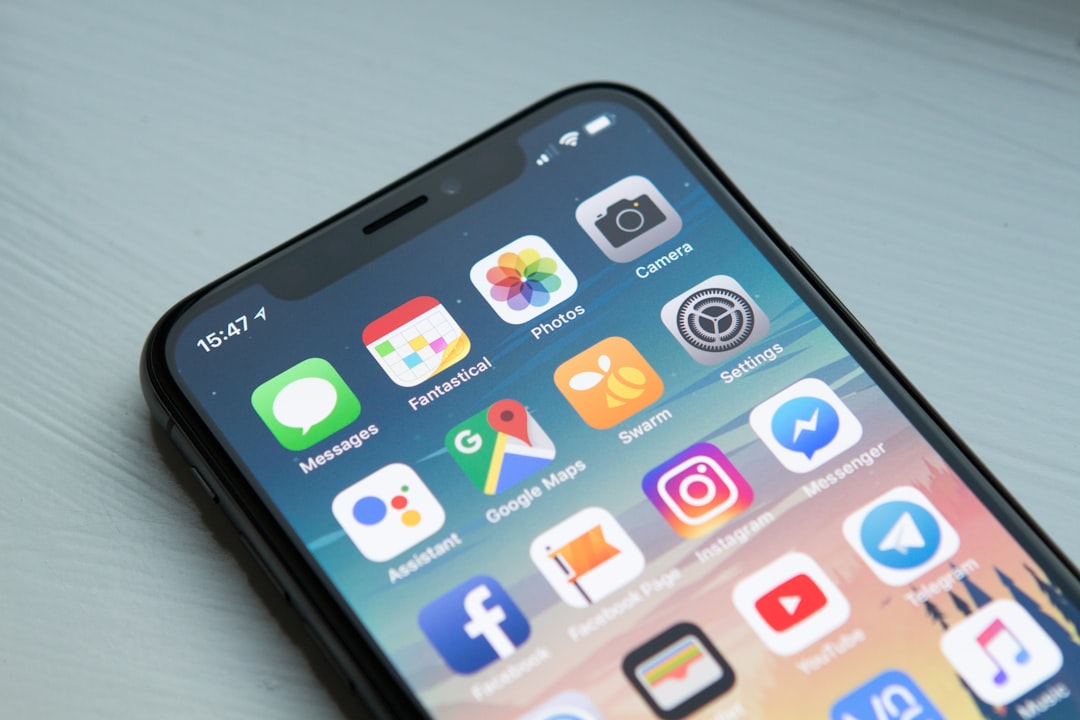
This isn’t paranoia. It’s the logical consequence of building something that looks and feels like a doctor’s assistant, giving it medical training data, and releasing it to a population where 27 million people lack health insurance. ChatGPT Health works with personal health data synced from Apple Health, Fitbit, and other platforms. Users will ask it about symptoms. They will trust its answers because it sounds confident. Some of them will make medical decisions based on what it says. And when something goes wrong, the regulatory blame will scatter like dropped marbles.
The Self-Regulation Trap Nobody’s Talking About
OpenAI will tell you they’ve built guardrails. They’ll mention that ChatGPT Health directs users to seek professional care, includes disclaimers, and has some form of review process. These are table scraps. A disclaimer that a chatbot isn’t a doctor is not a substitute for actually being required to meet the standards a doctor must meet.
Here’s the key issue: ChatGPT Health operates in a regulatory blind spot. The FDA doesn’t regulate “health information tools”—only devices and software that diagnose, treat, or cure disease. OpenAI has carefully positioned this as an informational service, not a medical device. So it skips FDA approval entirely. That’s not a loophole; it’s the entire architecture of the business model.
Self-regulation in healthcare doesn’t work. We learned this with pharmaceuticals, medical devices, and laboratory-developed tests. Companies left to police themselves will always optimize for growth and user engagement, not caution. An AI that’s slightly more reassuring, slightly more authoritative, slightly more willing to validate a user’s self-diagnosis will attract and retain more users than one that constantly hedges and defers. The incentives are inverted from medical safety.

Who Actually Gets Hurt
The real danger isn’t to people with regular doctors. If you have a cardiologist, you’re not replacing them with ChatGPT. You might use it to read up before an appointment. The people in actual jeopardy are the ones for whom this becomes a first-line resource: the uninsured, the underinsured, people in rural areas with few doctors nearby, and those who distrust traditional healthcare enough to seek alternatives.
These users are exactly the ones least equipped to catch an AI’s medical hallucinations. They may not have the baseline health literacy to know when advice contradicts established guidelines. They can’t call their regular doctor to run something by them because they don’t have one. And when ChatGPT Health confidently explains why their chest pain is probably just anxiety, they might believe it—because what other option do they have?
This isn’t speculation about AI capability gaps. Large language models are known to confabulate, to sound authoritative while being wrong, and to struggle with edge cases and rare conditions. In medicine, edge cases sometimes kill people.
The Regulatory Opportunity That Won’t Happen
The honest version of what should occur now: Congress should require any software that provides medical advice to meet some minimum standard of medical oversight—not necessarily FDA approval, but something. Independent auditing. Required disclaimers with real teeth. Liability that doesn’t disappear because an AI provided the guidance.
But none of that will happen quickly. The tech industry has successfully framed regulation as anti-innovation. Regulators are understaffed and move slowly. By the time there’s any serious attempt to govern medical AI, ChatGPT Health will have millions of daily users and a business model that can’t survive real oversight. The regulatory window is closing.
What’s Actually Being Released
Per TechCrunch, users can integrate personal data from Apple Health, Function, and MyFitnessPal. This is the quietly significant part. ChatGPT Health isn’t just answering generic questions anymore—it’s getting real-time access to your biometric data, medication lists, and health history. The surface-level value is obvious: more context for better advice. The security and privacy implications are less discussed. A centralized store of intimate health data connected to a company known for data incidents is a target worth hitting, and the fallout would be catastrophic.
There’s also a gentler way to read this feature: it could actually help people manage chronic conditions if it works as intended. But “if it works as intended” is where the problem lives. It probably will work well, most of the time, for most of the people who use it. That’s the most dangerous outcome of all, because it validates the approach and normalizes AI as medicine.
—
Bottom Line
ChatGPT Health is a stress test we’re running without permission, and the most likely outcome isn’t a breakthrough in accessible healthcare—it’s a slow erosion of medical safety standards met only by the point at which something goes badly enough wrong that regulation becomes unavoidable. By then, the behavior will be embedded.
We’re not anti-AI in healthcare. Tools that help people access information, manage data, and prepare for medical conversations have real value. But those tools need oversight that matches the stakes. Right now, ChatGPT Health has none. That’s not progress. It’s negligence dressed up as innovation.
—
Related reading on HighTechz
- AI Agent Credential Management Crisis Ahead
- American Spectacle Colonizes Global Sports Culture
- AI Agent Architecture: Why Intuits Radical Rebuilds Win
Editor’s note: This article was researched and drafted with AI assistance (Claude), edited for accuracy and voice, and reviewed before publication. Source headlines that informed our analysis are linked inline. If you spot a factual error, let us know.
