

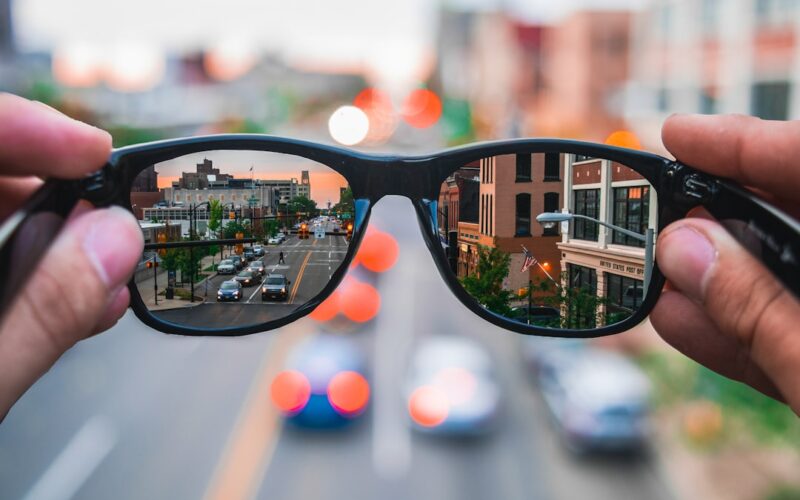
We’re Banning Yesterday’s Smart Glasses While Tomorrow’s Record Everything
New York just became the first state to ban smart glasses from its courthouses. Meanwhile, Meta is reportedly building always-on smart glasses that record audio and photos continuously. These two stories broke within days of each other—and that collision tells you everything you need to know about why privacy regulation for wearable tech is already failing.
We’re not saying the New York ban is wrong. But we are saying it’s a textbook example of legislatures playing catch-up to last year’s anxiety while next year’s threat ships to consumers unregulated.
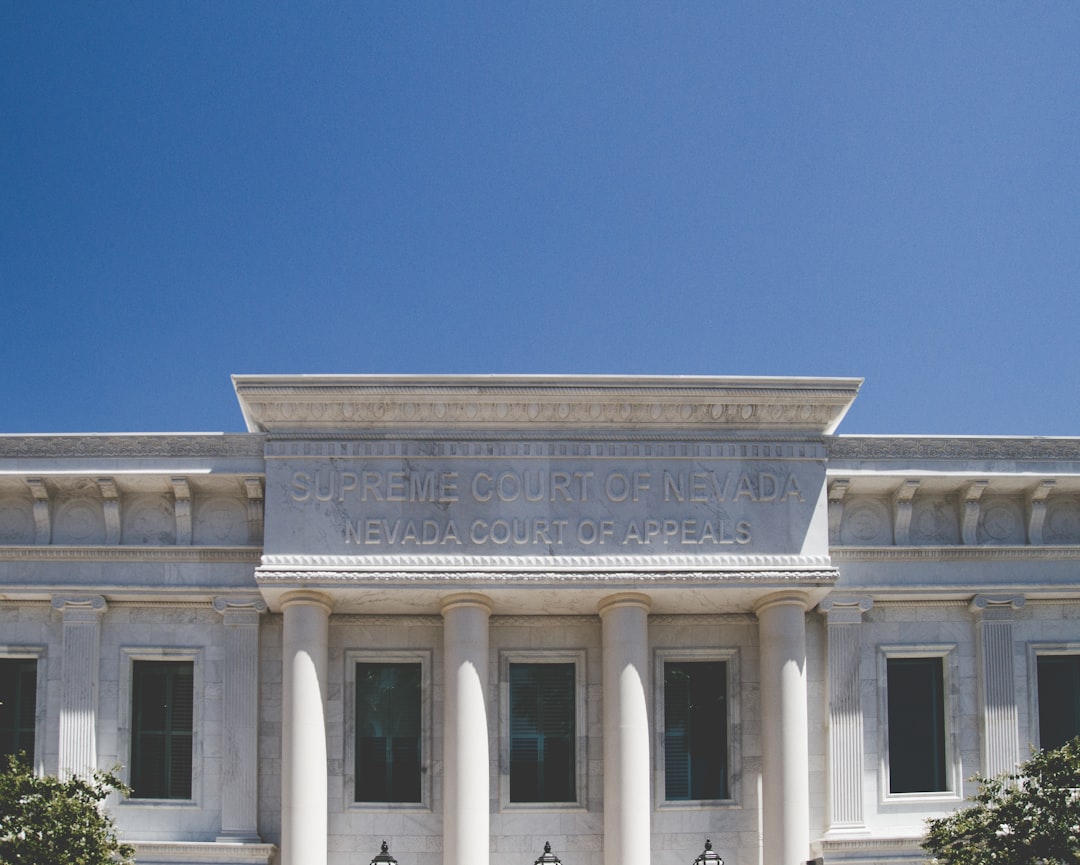
The Ban: Real Problem, Obsolete Timing
New York has prohibited smart glasses in all 1,240 of its state, county, city, town, and village courts. The reasoning is sound. Smart glasses—particularly consumer models with visible cameras—create legitimate concerns about unauthorized recording in sensitive spaces where privacy and fair trial rights intersect. Lawyers, witnesses, judges, and defendants shouldn’t have to assume someone in the gallery is streaming their testimony.
But here’s the timing problem: the smart glasses that prompted this ban are largely yesterday’s products. The devices that sparked privacy fears—Google Glass, Ray-Ban Stories, Meta Ray-Bans—have visible recording indicators and deliberate, noticeable capture moments. A person wearing them to record looks like they’re using a tool. It’s conspicuous. It’s something a courthouse security officer can actually notice at the door.
The regulatory impulse makes sense. The execution assumes the threat landscape won’t shift while the law is being written.
The Leak: The Threat That Wasn’t on the Radar
Now we learn that Meta is working on prototype smart glasses designed for continuous, ambient recording—always-on sensors that snap photos and record audio automatically, without discrete user actions. These aren’t glasses you turn on to record. They’re glasses that record while you exist in them.
This is a categorically different product than what regulators just banned. The New York courthouse ban assumes someone must consciously activate a recording device. Continuous-capture smart glasses eliminate that assumption. They’re always sensing. The recording light—the one visible cue that something is being captured—becomes the only reliable signal, and Meta’s own updates suggest even that isn’t foolproof against tampering.
A courthouse ban on yesterday’s smart glasses does nothing to stop tomorrow’s.

The Structural Problem: Governance Lag
What we’re watching isn’t incompetence. It’s a structural mismatch between the speed of product development and the speed of regulation. Here’s how it works:
A product launches and causes enough social friction that legislators notice. Public hearings happen. Task forces form. Draft language circulates. Stakeholders lobby. A bill passes. By the time it’s law, the company that triggered the concern has either pivoted to a new model or competitors have shipped something more invasive that technically doesn’t violate the new rule because the rule wasn’t written to anticipate it.
Smart glasses regulation is entering this cycle. New York banned conspicuous recording devices in courthouses. Meta is building inconspicuous ones everywhere else. Neither product was designed with the other in mind, yet they’ll define expectations around wearable privacy for the next five to ten years.
The problem deepens when you consider that “always-on” smart glasses aren’t niche products destined for early adopters. They’re being built by the companies with the biggest distribution networks—Meta, Apple, Google—specifically because ambient recording is valuable for training AI models. The business case is solid. The regulatory case is still being written.
What “Recording Light” Actually Means Now
Meta has tightened controls on its recording indicator to prevent tampering. This sounds like a privacy win in isolation. But it’s a Band-Aid on a conceptual problem: we’ve been assuming that visibility is a substitute for consent.
If smart glasses are always recording, a light that tells you they’re recording doesn’t protect your privacy—it just confirms that your privacy is already gone. You can’t consent retroactively. You can’t ask a pair of glasses to unsee something. The light is notification, not permission.
This is the core issue that the New York courthouse ban doesn’t address because it wasn’t designed to. Once always-on smart glasses become mainstream—not in courtrooms, but everywhere—the notion that a bright LED serves as adequate privacy protection becomes a legal fiction. Regulation built on the assumption of discrete, deliberate recording will be functionally useless against ambient capture.
What to Watch
The real test comes in the next 18 months. Watch whether any state or federal regulation attempts to address ambient-capture wearables before they’re in mass production. Watch whether Meta, Apple, or Google voluntarily constraints the capability in their smart glasses, or whether they ship them feature-complete and wait for litigation.
Most importantly, watch what happens when a product that technically complies with the New York smart glasses ban—because it’s not deliberately recording, just constantly sensing—shows up in a courtroom anyway. That collision will expose whether our regulatory framework can actually govern this technology, or whether we’re destined to ban each generation’s glasses only after the next one ships.
The courthouse ban isn’t wrong. It’s just already obsolete.
—
Related reading on HighTechz
- AI Personas: The Loophole Dodging Hollywood Labor Wars
- South Koreas Chip Workers: Status as Strategy
- Midjourney Forces Studios to Reveal Their Own AI Use
Editor’s note: This article was researched and drafted with AI assistance (Claude), edited for accuracy and voice, and reviewed before publication. Source headlines that informed our analysis are linked inline. If you spot a factual error, let us know.
