

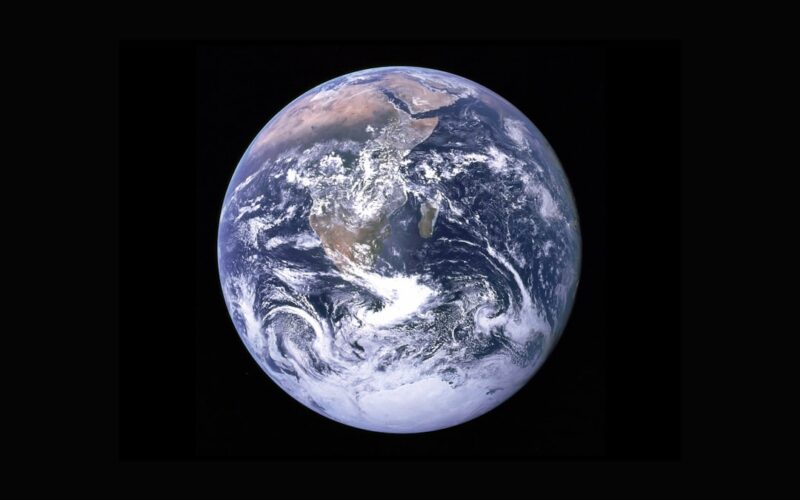
Google Earth Tried to Fake Reality. That’s Not a Bug, It’s a Warning.
On Thursday, Google released a feature inside Google Earth that let users generate satellite imagery from text prompts. By Friday, it was gone. The speed of the retraction tells you everything you need to know: Google recognized almost immediately that it had handed millions of people a tool to fabricate geographic evidence at scale—and that this wasn’t a feature to iterate on. It was a mistake that needed killing.
But here’s what matters more than Google’s quick cleanup: the fact that this seemed like a reasonable idea to greenlight in the first place. That instinct—to add AI image generation to a platform whose entire value proposition is truthfulness about the physical world—exposes something rotten in how we’re building AI products. We’re not asking whether we should. We’re asking whether we can, shipping it, and hoping the blowback stays contained.
The Wrong Tool in the Right Place
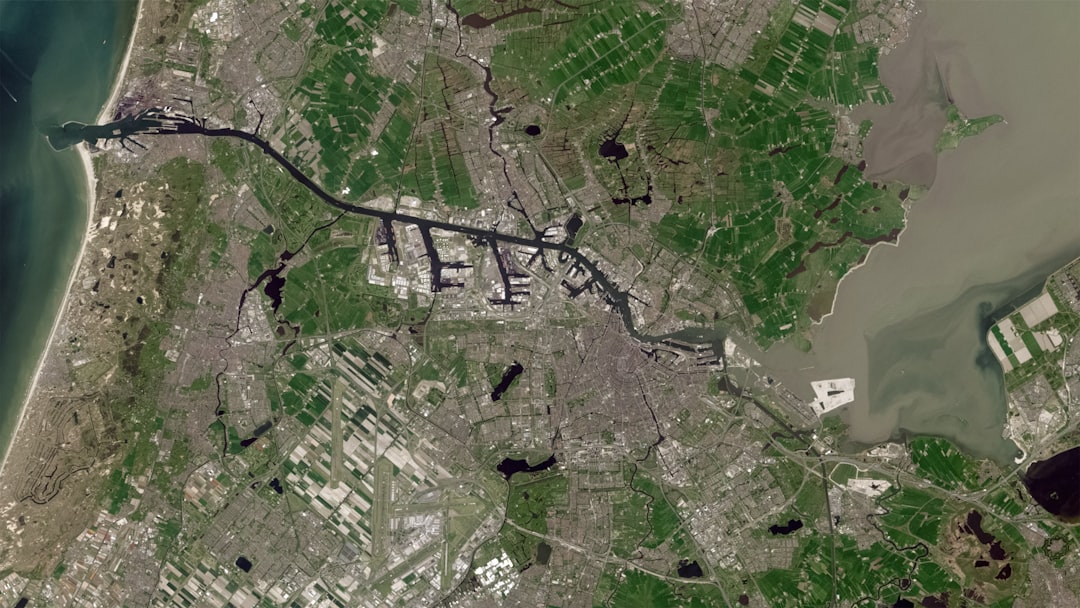
Let’s be clear about what Google tried to do. Per Ars Technica, the tool allowed users to edit satellite images with text prompts—essentially generating or altering what the Earth looked like from above. The feature lasted less than 24 hours before Google pulled it.
The reason isn’t mysterious. Satellite imagery is infrastructure. Journalists use it to verify claims about military buildups, environmental destruction, and urban development. Climate scientists use it to track glacial retreat and deforestation. Disaster response teams use it to assess damage and plan rescue operations. NGOs use it to monitor human rights violations in closed countries. When you make the primary source of visual truth editable via AI, you don’t enhance Google Earth. You weaponize it.
This isn’t theoretical. Within hours of launch, users were generating fictional versions of real places. The Verge noted examples of historically inaccurate reimaginings that could easily be screenshot and shared as “evidence” of something that never existed.
The Epistemic Crisis We’re Not Talking About
Here’s the deeper problem: Google Earth’s one-day disaster is a symptom of an industry-wide failure to think about AI’s relationship to truth.
We’ve spent the last two years obsessing over whether large language models hallucinate in essays and customer service chats. Fair enough—those are real problems. But we’ve largely missed the larger crisis: as AI becomes better at generating images, audio, and video, the entire concept of ground truth is eroding. We’re not just worried about fake news anymore. We’re worried about fake reality.
Geographic information systems occupy a special place in human civilization. They’re how we settle border disputes, allocate resources, plan cities, and respond to catastrophes. When those systems start generating fiction—even if it’s labeled as such, even if it’s “just a feature”—we’re not dealing with a product problem. We’re dealing with an infrastructure problem.
The fact that Google moved fast to retract this suggests someone in the organization understood that. But the fact that it got shipped at all suggests that understanding wasn’t present earlier in the pipeline.

Why This Matters More Than an Embarrassed Apology
Google Earth’s misstep is being treated as a blunder—a “whoops, we weren’t thinking” moment. That’s too generous.
What we’re seeing is the collision between two different cultures: the AI research culture that optimizes for capability and the infrastructure culture that optimizes for reliability. In the infrastructure world, you don’t ship a feature because you can. You ship it because you’ve spent months thinking about failure modes, misuse scenarios, and downstream consequences.
The AI world—especially the part of it living inside Big Tech companies—operates on different assumptions. Speed, iteration, and user feedback are the metrics that matter. You build, you ship, you adjust based on what the market tells you.
Those frameworks break down catastrophically when you’re building tools that determine what counts as real.
Engadget reported that Google described the tool as “needless,” which is perhaps the only honest thing said about this incident. It was needless. No one asked for AI-generated satellite imagery. The feature solved no problem except “how do we add generative AI to a product that doesn’t need it.”
The Question Google Should Have Asked First
Before we get to what comes next, let’s name the real failure here. It’s not that Google shipped a broken product. It’s that no one asked the basic question: Should we add generative AI to a system whose value depends on representing reality as it actually is?
That’s not a technical question. It’s an ethical one. And it requires a different kind of expertise than most AI teams have.
Consider the inverse: if Google had consulted with satellite imagery researchers, journalists who use Google Earth for investigations, climate scientists, and disaster response coordinators, would any of them have said, “Yes, what we need is the ability to generate fake satellite images”? Almost certainly not.
Instead, this feature made it through some internal approval process because someone saw a gap where a neural network could fit, and that was reason enough.
What to Watch
The real test isn’t whether Google Earth stays cleaned up. It’s whether the company—and the industry—learns that some tools shouldn’t exist, no matter how technically feasible they are.
We should expect more of these incidents. Deepfakes in satellite imagery are just the beginning. Video generation tools could corrupt climate and geopolitical documentation. Audio synthesis will make verification of voice recordings impossible. As these tools get cheaper and easier to use, the pressure to integrate them into every platform will intensify.
The question is whether we’ll develop a framework for saying no—not because the technology isn’t impressive, but because it corrodes something we depend on more than we depend on convenience.
Google had 24 hours to prove it could make that call. Let’s hope it wasn’t a one-time choice.
—
Related reading on HighTechz
- Gemini Robotics 2: When AI Needs Liability
- Big Techs DSA Data Stonewalling Strategy Exposed
- ChatGPT Health Medical Advice Regulatory Gap
Editor’s note: This article was researched and drafted with AI assistance (Claude), edited for accuracy and voice, and reviewed before publication. Source headlines that informed our analysis are linked inline. If you spot a factual error, let us know.
