

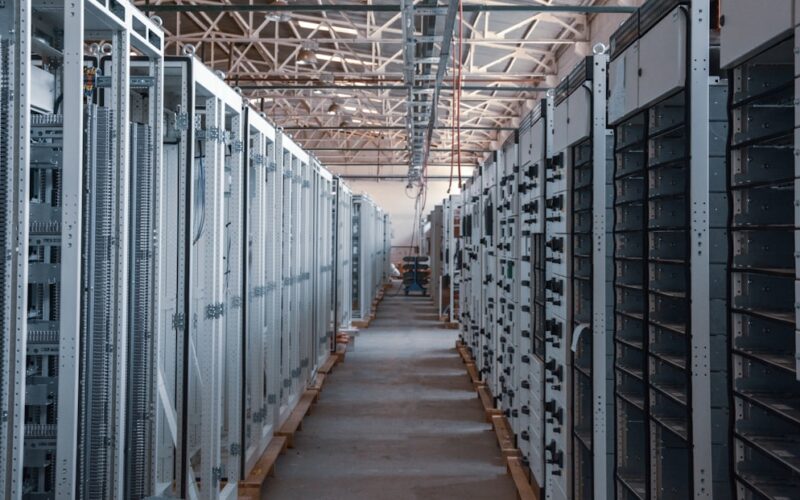
AI Gets a Grid Fast Lane — Workers Get Investigated
The federal government just handed AI data centers a golden ticket to America’s power infrastructure, while simultaneously Amazon workers who dared speak out about those same data centers now face internal investigations. The juxtaposition isn’t accidental. It’s a window into how infrastructure policy operates when capital has a seat at the table and labor doesn’t.
Here’s what’s happening: regulators are moving fast to solve a real problem—AI buildout is outpacing grid capacity. But the solution they’ve chosen reveals something uncomfortable about whose problem actually gets solved.
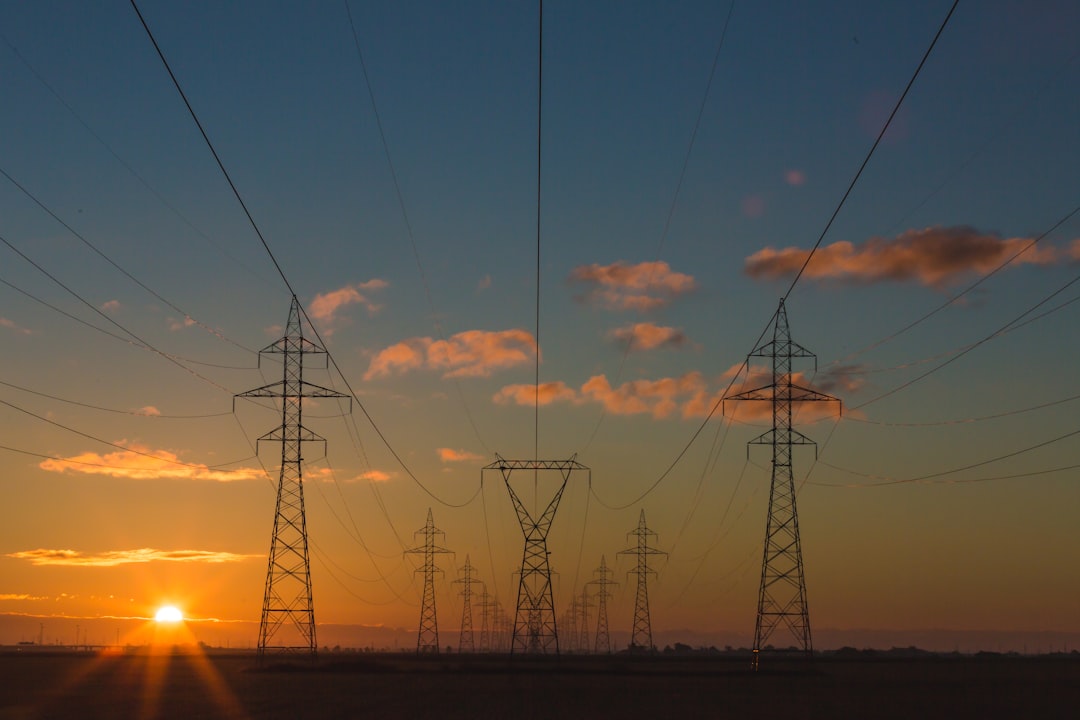
The Fast Lane Nobody Needed (Except AI Companies)
The Federal Energy Regulatory Commission recently instructed grid operators to prioritize AI data center interconnections, essentially creating an express lane for AI infrastructure while other projects wait. On paper, this makes sense—there’s a logjam, and FERC is trying to clear it. But here’s the catch: the order doesn’t actually address the underlying problem. There’s no new power supply. It just reshuffles who gets the limited electricity that exists.
It’s triage, but triage where the patient with money gets the doctor’s attention first.
The mechanism matters because it reveals the mindset. Rather than tackle electricity shortages head-on—which would require actual infrastructure investment, political capital, and time—the government’s solution is to move data center projects ahead of the queue. That works great if you’re building an AI facility. It’s less helpful if you’re a municipal utility, a manufacturing plant, or a growing neighborhood that’s been waiting for grid capacity upgrades.
This isn’t a conspiracy. It’s straightforward political economy: tech companies have resources to lobby, hiring power to fund campaigns, and venture capital networks that reach into regulatory agencies. They showed up, made their case, and won. Everyone else was left holding the bill.
When Dissent Becomes a Liability
Now consider the other half of this equation: three Amazon software engineers are under investigation by their employer after filing a complaint with Seattle’s civil rights office. Their offense? Speaking publicly about concerns regarding data centers—expressing, in other words, a political position on an infrastructure issue that directly affects their community.

The companies building the infrastructure get fast lanes. The workers raising questions about it get investigations.
We don’t know what those engineers said exactly—the specifics matter in employment law, and we should be cautious about taking sides without that detail. But the pattern is crystal clear: Amazon’s message to its workforce is that you can work here, you can build here, but you cannot publicly disagree with the company’s infrastructure expansion plans. That’s not policy. That’s chilling effect.
And it works. Retaliation investigations don’t need to succeed to do their job. They need to exist. Once the first person gets called in for talking too loudly about data center environmental impact or grid strain or labor practices, everyone else learns: keep your head down.
Why This Moment Matters
Infrastructure policy used to be boring because it affected everyone roughly equally—or at least, the public understood it that way. A highway project, a power plant, a water treatment facility. These were things discussed in city council meetings, with environmental reviews, public comment periods.
AI infrastructure is different. It’s moving so fast, with such high stakes, that it’s bypassing the usual friction points. A FERC order that fast-tracks interconnections doesn’t go to city council. It doesn’t require the same environmental scrutiny. It just… happens. Meanwhile, the companies building the infrastructure are actively suppressing internal dissent from their own employees.
What we’re watching is a two-tiered infrastructure model: accelerationist for capital, restrictive for everyone else. Data centers get government mandates to jump the line. Workers get investigations for saying the line is too short.
The Grid Can’t Hide It Forever
The thing about infrastructure is that it’s physical. You can suppress internal memos and fire whistleblowers, but you can’t hide a strained power grid. At some point—likely within the next two to three years as AI compute buildout continues—the consequences of prioritizing interconnection speed over actual capacity will become impossible to ignore.
Rolling blackouts in tech hubs. Voltage instability. Rationing. These aren’t hypotheticals; they’re engineering realities when demand outpaces supply. And when they happen, the narrative will matter. Did we get here because of transparent policy trade-offs, where communities and workers had a voice? Or did we get here because capital moved fast and broke things while labor was silenced?
The government can give data centers a fast lane to the grid. What it can’t do—not forever—is suppress the questions about whether that was the right call.
Bottom Line
Watch three things: First, whether FERC’s successor actions actually add electricity supply or just reshuffle the existing deck again. Second, how the Amazon retaliation cases resolve—not because the outcome predicts Amazon’s future behavior, but because it signals whether tech companies expect regulators to defend worker speech. Third, real-time grid metrics from regions with heavy AI buildout. The data won’t lie, even if policy statements do. Within 24 months, we’ll know whether this fast lane was smart infrastructure or expensive theater at the expense of everyone else on the grid.
—
Editor’s note: This article was researched and drafted with AI assistance (Claude), edited for accuracy and voice, and reviewed before publication. Source headlines that informed our analysis are linked inline. If you spot a factual error, let us know.
