

Apple’s Foldable iPhone Hits Manufacturing Wall—Three Months to Prove Samsung Wrong
Apple’s September 2026 foldable iPhone launch is now a race against the calendar. The company faces serious surface mount technology (SMT) yield problems in pre-assembly that it has exactly three months to solve before mass production kicks off in July. Meanwhile, Samsung—which has spent six years refining folding screens, hinges, and manufacturing workflows—is watching from a position of competitive luxury that Apple itself enabled by waiting this long.
This isn’t a story about whether Apple can make a foldable phone. It’s about whether Apple can ship millions of them without the supply constraints that have plagued every foldable launch since 2020. And right now, the math doesn’t look comfortable.
The SMT Problem Nobody Expected
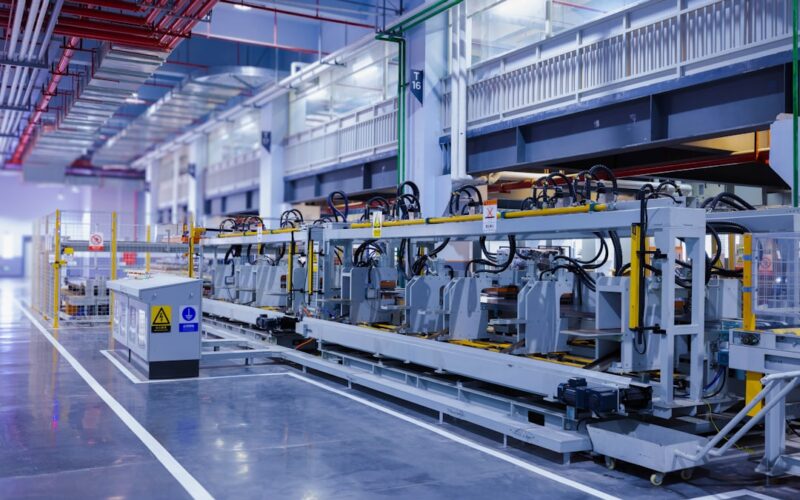
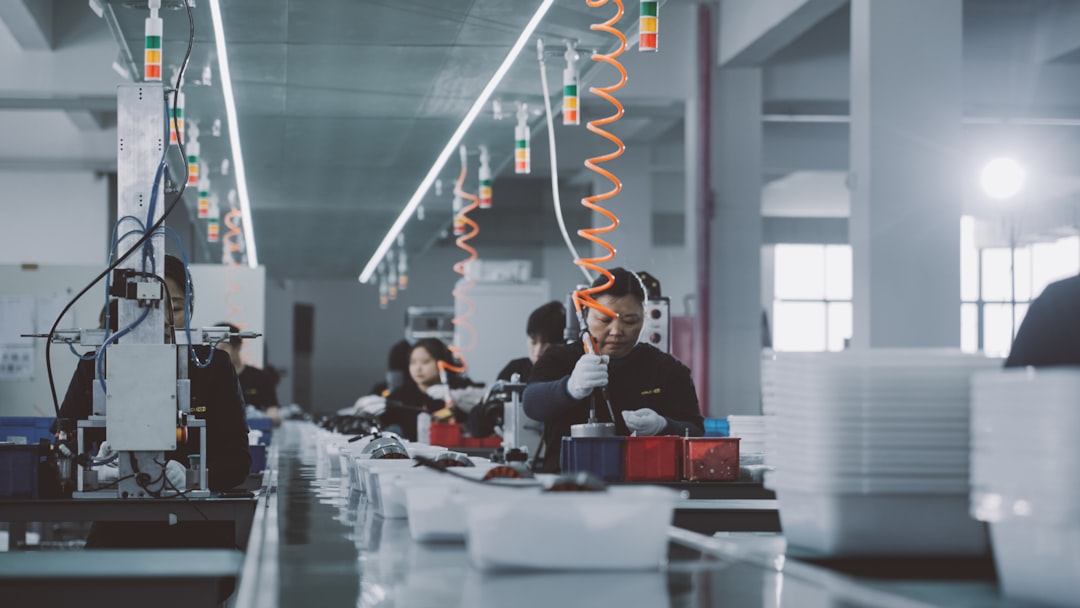
When Samsung launched the Galaxy Fold in 2019, the industry assumed the hinge was the hard part. Durable creases, water resistance, dust ingress—these were the bottlenecks that kept Samsung’s early units scarce and expensive. But Apple’s manufacturing roadblock appears to be something older and arguably more frustrating: surface mount technology defects during component assembly, not the folding mechanism itself.
Per Bloomberg reporting, Apple is running roughly one to two months behind schedule on production ramp. That’s the kind of slip that makes sense when you’re debugging yield issues in pre-assembly processes—the plumbing before the finished product hits durability testing. The irony is thick: Apple has built its reputation on manufacturing excellence by keeping designs relatively simple. A foldable phone is anything but simple. More components. Tighter tolerances. More opportunities for SMT machines to place something slightly wrong.
Samsung solved this six years ago. It’s not a mystery anymore. Apple will solve it too. The question is whether it solves it fast enough.
The Hinge Was Never the Real Villain
There’s a persistent narrative that Apple’s hinge has been “failing durability tests with audible creaking.” This makes for good drama, but it misses what’s actually happening. Yield and ramp-up challenges are rarely about a single component being fundamentally broken—they’re about manufacturing at scale, quality gates, and the difference between “we built one that works” and “we can build a million of them to spec.”
Our take: The creaking hinge is a symptom, not the disease. If Apple’s hinge were truly unreliable, the company wouldn’t risk a September launch window. What’s more likely is that the hinge works fine in isolation, but when you’re assembling thousands of units per day through an automated process with tighter-than-usual component tolerances, some percentage fail QA. That percentage needs to be under 5% for Apple’s economics to work. Right now, it probably isn’t.
This is where Samsung’s experience matters most. Samsung knows how to tweak torque specs, adjust screen tension, and optimize the robotic assembly arms that fold and unfold test units without burning through yield. Apple will learn these lessons. It’s learning them right now, in a compressed timeline.

Photo by Jonathan Cosens Photography on Unsplash
The Holiday Quarter Gamble
Here’s the scenario that keeps supply chain analysts up at night: Apple hits July 2026 mass production start with yield still below target. The company ships anyway, with constrained supply, betting that brand halo and first-mover premium pricing can offset the shortage. This is exactly what happened with the iPhone 6 Plus launch, the HomePod, and—most relevantly—Samsung’s entire foldable roadmap from 2019 through 2022.
Supply chain analyst Ming-Chi Kuo has warned that smooth shipments may not occur until 2027, with potential shortages extending through the end of 2026. That’s not a prediction based on hype; it’s a baseline extrapolation from yield ramp curves at other hardware launches in the same complexity tier.
The risk for Apple is specific: if yields don’t improve in the next three months, a September launch becomes a constrained-supply event during the most profitable quarter of the year. Apple will make money hand over fist on whatever units it can ship. But the narrative becomes “foldable iPhone is hard to get,” not “foldable iPhone is the must-have innovation.” That’s a positioning problem for a device that’s supposed to justify $2,000+ pricing.
What Samsung Already Knows That Apple Is Learning
Samsung didn’t get good at foldables because it’s a better company. It got good because it shipped bad ones first, fixed them, and kept iterating. The Galaxy Z Fold 2, Fold 3, Fold 4, Fold 5, and Fold 6 each represented incremental improvements to yield, durability, and repairability. By the time the Fold 6 shipped, Samsung had debugged manufacturing at scale.
Apple skipped that iteration curve. It held back until it could ship something that cleared its own quality thresholds—which is the right call strategically. But it also means Apple is condensing Samsung’s six-year learning curve into 18 months of development, including three months of panic debugging in Q2 2026.
The manufacturing advantage Samsung built through years of foldable production is real, measured, and transferable to supply contracts, assembly line optimization, and component sourcing. Apple will eventually match it, but not in time for a flawless launch.
Bottom Line
Apple’s foldable iPhone launch is no longer a question of if but when constrained supply hits and how bad it gets. A September 2026 debut is still probable—Mark Gurman reports it remains on track—but probable doesn’t mean plentiful. If SMT yield issues aren’t resolved by June, expect a soft launch with limited colors, storage configs, or regional availability. That’s not failure. It’s the cost of being late to a category where someone else already paid the price for learning.
Watch component supplier earnings calls in July and early August for hints on actual production volumes versus guidance. If Apple is constraining its own supply chain, the real numbers will leak.
Editor’s note: This article was researched and drafted with AI assistance (Claude), edited for accuracy and voice, and reviewed before publication. Source headlines that informed our analysis are linked inline. If you spot a factual error, let us know.
