

Apple’s Smart Glasses Delay Is a Siri-Sized Mistake in the Making
Apple has a well-earned reputation for patience. The company sat out the smartphone market for years before the iPhone arrived fully formed. It let others stumble through smartwatch prototypes while it built the Watch into something people actually wanted to wear. That playbook — wait, study, execute — has worked before. But there’s a critical difference between strategic patience and strategic absence, and Apple’s reported delay of its smart glasses until late 2027 may be a textbook example of the latter.
The problem isn’t the timeline itself. The problem is what’s happening while Apple waits.
The Watch Playbook Doesn’t Work Anymore
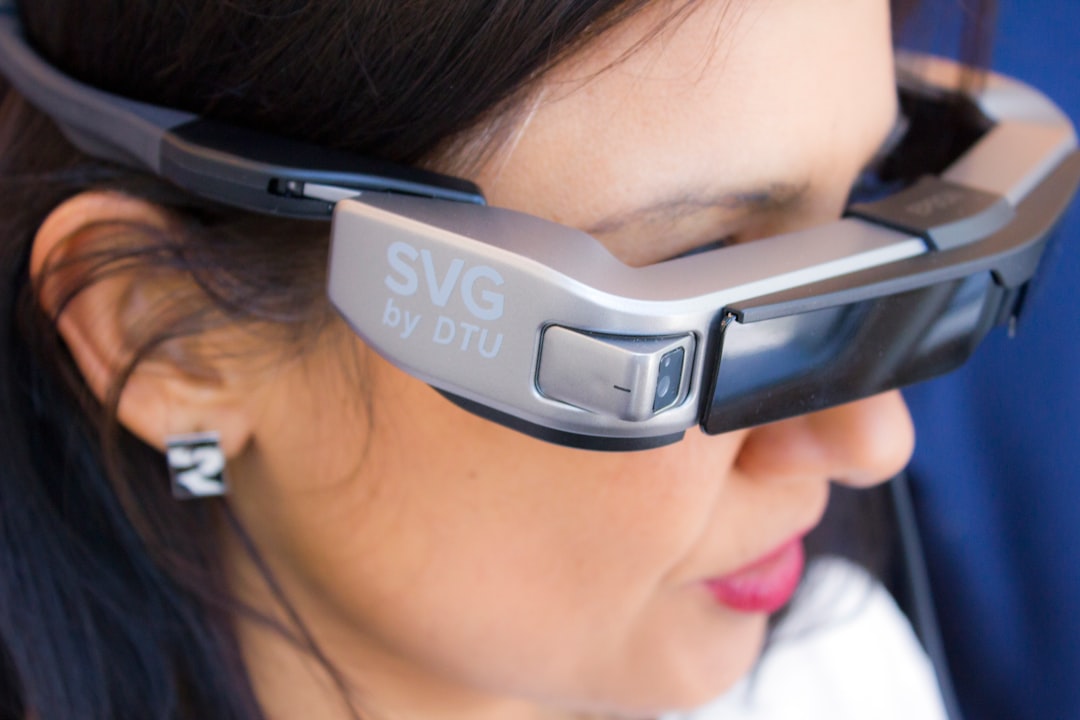
Apple’s smart glasses strategy apparently mirrors its Apple Watch approach: let the market develop, then enter with a refined vision that upends the category. According to Bloomberg’s reporting, the company views smart glasses as a top priority and plans to fundamentally reshape eyewear, not just compete in it.
That ambition is admirable. But the analogy breaks down in one crucial way: when Apple launched the Watch in 2015, the market for wearables was still forming. Companies were experimenting. Smartwatches existed, sure, but no single device had yet defined what the category should be. Apple had runway to establish the standard.
Smart glasses don’t have that luxury anymore. Meta’s Ray-Bans aren’t some niche experiment gathering dust in tech enthusiast drawers. They’re being worn. Millions of them. They’re becoming the default answer to “what smart glasses should feel like,” just as AirPods became the default answer for wireless earbuds before Apple even entered that market with intent.
The difference: AirPods caught up because the market was still plastic and malleable. Smart glasses are already calcifying around Meta’s vision.
The Voice Assistant Graveyard Apple Should Study
Here’s the uncomfortable parallel that doesn’t get enough air time: this is how Siri died.
Apple had a voice assistant first — a genuinely novel one for its time. But Apple treated it as a feature rather than a platform, updating it incrementally while the market moved elsewhere. ChatGPT and other large language models arrived and suddenly made Siri look like it was stuck in 2014. By the time Apple recognized the gap, the perceived leader had shifted. Siri is still used by hundreds of millions of people, but it’s no longer the default answer to “which voice assistant should I use?” It’s the default because you’re forced to use it on your iPhone.
Smart glasses could follow the same trajectory. By 2027, Ray-Bans will have three years of hardware iterations, developer partnerships, and cultural embedding. Google will have re-entered the category with something polished. The mental category of “smart glasses” won’t be blank anymore. It’ll be filled.
The Cost of Sitting Out the Formation Period
Product categories don’t form once and then stay formed. They form through iteration, failure, and accumulated user expectations. The companies present during formation — even if they’re not perfect — shape the narrative about what that category is.
If you show up after the narrative is set, you’re not entering a category. You’re crashing an already-published story.
Apple can still make excellent smart glasses. It probably will. But “excellent” isn’t the same as “defining.” The company bet on “patience pays off” and it did with watches. But the smartwatch market in 2015 was distributed across dozens of mediocre players. The smart glasses market in 2024 is consolidating around one player that’s already winning.
There’s a difference between entering a category late and entering it after the category has already decided what it values. Apple wants to reshape eyewear itself. Meta is busy making you forget you’re wearing a camera. Those are different visions. By the time Apple launches, “smart glasses” might already mean something too specific to reshape.
What Apple Could Be Risking
The optimistic case: Apple ships in 2027 with something genuinely superior, and because it has the distribution, brand loyalty, and ecosystem lock-in, it captures the high-end market the way it always does.
The pessimistic case: Three years is an eternity in category development. Ray-Bans become what AirPods are now — not the best, maybe not even second-best, but the answer everyone already knows. And when Apple arrives with something objectively better, it’s solving for a problem the market has already accepted.
We’ve seen both outcomes. The Apple Watch succeeded despite arriving late because it nailed what a smartwatch should prioritize. Siri failed to remain a leader despite arriving first because it didn’t stay the priority. The question Apple should be asking isn’t “can we make the best smart glasses?” It’s “do we still care about defining what smart glasses are, or are we okay reshaping them after someone else has already decided?”
Bottom Line
Patient Apple is careful Apple. But there’s a line between careful and invisible. By the time Apple’s smart glasses land in late 2027, Ray-Bans will have owned the cultural and technical narrative for years. Apple can still build something remarkable. Whether it can still build something definitive is a different question — and waiting until 2027 suggests the company might not think it can.
The real risk isn’t that Apple’s glasses arrive late. It’s that they arrive after everyone’s already stopped waiting.
Editor’s note: This article was researched and drafted with AI assistance (Claude), edited for accuracy and voice, and reviewed before publication. Source headlines that informed our analysis are linked inline. If you spot a factual error, let us know.
