


The Geofence Ruling Just Broke Law Enforcement’s Favorite Dragnet
The Supreme Court just yanked the legal rug out from under one of law enforcement’s most efficient—and most constitutionally fraught—investigative tools. The ruling on geofence warrants doesn’t just protect privacy in the abstract. It exposes a sprawling surveillance apparatus that cops and feds built on shaky constitutional ground, and the fallout for thousands of existing cases could be messier than anyone’s anticipating.
Here’s what happened: For years, police could get a warrant that would pull location data on every phone in a given area during a specific time window—say, all devices near a crime scene in the hour after a robbery. Then they’d manually sift through that data to find suspects. It was dragnet surveillance with a court-approved stamp on it. Per reports on the ruling, the 6-3 decision restricts how aggressively law enforcement can deploy this tactic, requiring stronger protections and narrower requests. But here’s the uncomfortable part: the Supreme Court didn’t quite say the warrants are unconstitutional outright—which means the real damage will come from the chaos of litigation, appeals, and retrials that follows.
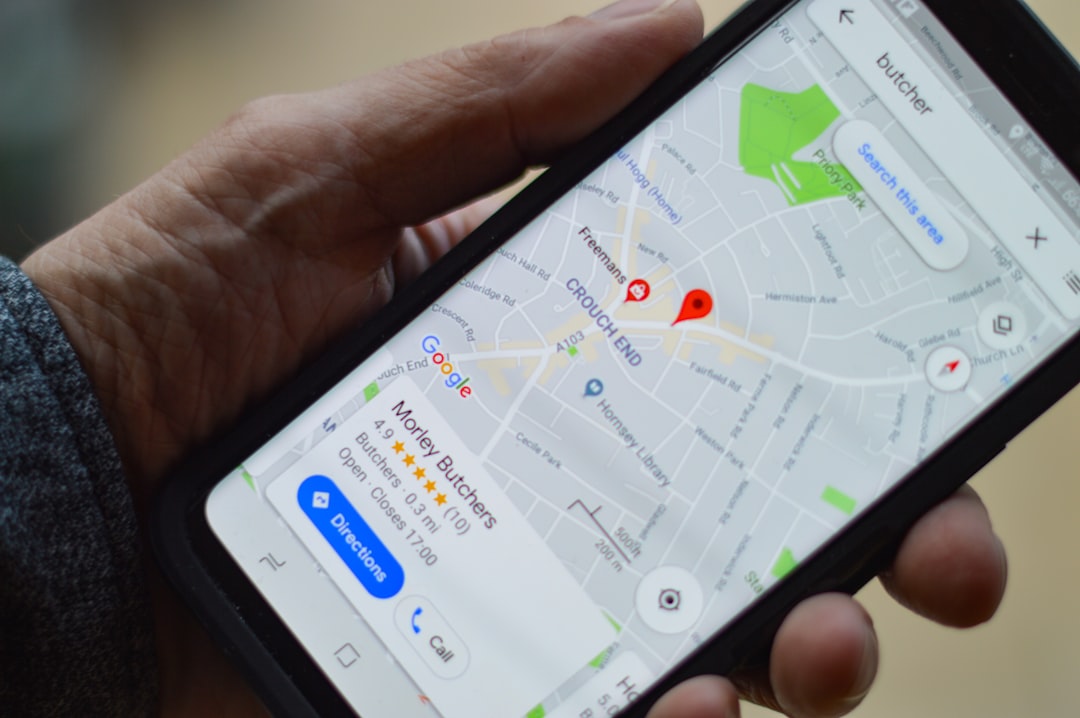
The Architecture of Mass Surveillance Was Always Built on Sand
Let’s be direct: law enforcement didn’t accidentally stumble into geofence warrants. They’re a logical extension of how cops have always thought about crime-solving. You find suspects by narrowing down who was where. When GPS and cell-tower data became available, the instinct was obvious: automate it, scale it, weaponize it.
What’s remarkable is how little pushback the tactic faced until now. Prosecutors treat geofence warrants like any other location warrant—something with a clear legal pedigree. But the technical architecture has always been weird. A geofence warrant doesn’t target an individual’s phone; it targets a zone, and pulls data on everyone in it. That’s functionally different from traditional warrants, which point at a suspect first and gather evidence about them second. Geofence warrants flip the causality: you gather data on everyone, then you figure out who to investigate.
The Supreme Court clearly noticed that inversion. And so did privacy advocates, who’ve been hammering law enforcement on this for years. But the real issue isn’t just the philosophy—it’s the scale. When geofence warrants became routine, they didn’t replace traditional investigation. They supplemented it, and in doing so, created a second, parallel investigative track that existed outside the usual evidentiary guardrails.
Thousands of Cases Built on This Foundation Now Wobble
This is where the practical chaos begins. We’re talking about prosecutions in progress, cold cases reopened, guilty pleas already entered. The restriction on geofence warrants creates immediate legal jeopardy for any case that relied on location data pulled via geofence warrant, especially cases where that data was a primary investigative lead.
Defense attorneys are already filing motions to suppress geofence evidence. Some will succeed. Others will fail on narrow grounds—maybe the warrant itself was specific enough to survive, maybe the data wasn’t dispositive. But the landscape is now hostile and unpredictable in a way it wasn’t six months ago.
What worries prosecutors most: they can’t easily untangle which cases are vulnerable. A geofence warrant that pulled 5,000 devices to identify 10 suspects looks a lot different from one that pulled 500 devices in a tiny zone to identify 1 suspect. But they all went through the same approval process, and courts didn’t build in a consistent standard for how specific the zone had to be, how limited the time window, or how obvious the nexus between location and crime.

The Real Problem: Cops Got Lazy When the Law Wasn’t Looking
Here’s the unflattering truth that nobody in law enforcement wants to say aloud: geofence warrants became popular because they’re easier than real investigation. You don’t need to identify a suspect first. You don’t need to build probable cause against a person. You just need probable cause to believe a crime happened in a place. Then you cast a net and see what swims into it.
That’s seductive for overworked departments and under-resourced task forces. It’s efficient. And for a long time, it worked—judges signed off, convictions stuck, nobody appealed hard enough to reach the Supreme Court.
But efficiency and constitutional rigor aren’t the same thing. The ruling forces cops back into the harder work: identifying suspects through traditional means, then requesting location data about those suspects. That takes more time, more leads, more legwork. Some cases that went cold because cops were relying on geofence shortcuts will stay cold. Some suspects will go uncaught. And some convictions will get overturned.
That’s not a glitch in the system. That’s the system working as intended—slowly and painfully, because constitutional oversight is supposed to be slow and painful.
What to Watch
The next phase isn’t policy reform. It’s litigation hell. Expect a wave of appeals in cases where geofence warrants were used. Some jurisdictions will try to narrowly construct their geofence requests to survive the new standard. Others will simply stop using the tool. The FBI and federal task forces will probably abandon the tactic altogether, while some state and local departments might keep pushing the boundaries.
The real tell will be whether prosecutors start being transparent about which cases relied on geofence warrants. Many won’t have that data at their fingertips—geofence requests got treated like any other warrant, filed away without special flag or flag for sensitivity. That record-keeping gap is itself damning.
Bottom line: This ruling isn’t a clean victory for privacy or a decisive loss for law enforcement. It’s a reckoning that reveals how much of the apparatus was built on constitutional assumptions nobody bothered to stress-test. The next few years will be spent figuring out which cases can survive that stress and which ones collapse.
Related reading on HighTechz
- AI Export Ban Creates Foreign Competition
- GTA VI $80 Price: Industrys Consumer Test
- Federal cybersecurity credibility gap widens
Editor’s note: This article was researched and drafted with AI assistance (Claude), edited for accuracy and voice, and reviewed before publication. Source headlines that informed our analysis are linked inline. If you spot a factual error, let us know.
