

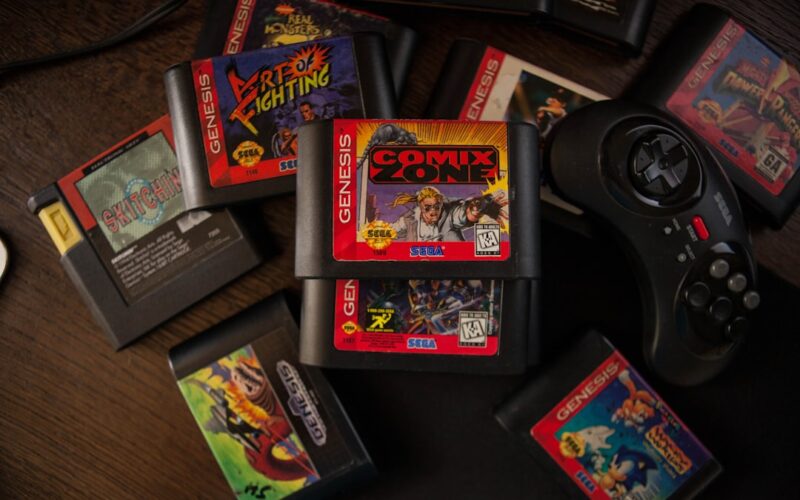
Why a $3M Mario Cartridge Is a Verdict on Digital Ownership
A sealed copy of Super Mario Bros. sold at auction recently for $3 million. Let that sink in—not for the headline shock value, but because it tells us something uncomfortable about how we actually own media in 2024. Per Engadget, this cartridge came as part of a $150 console bundle in 1985. The person who paid seven figures wasn’t buying a game. They were betting against the future of digital ownership itself.
We live in an era where you can “buy” a movie on iTunes, only to watch it vanish when licensing agreements expire. Where Game Pass subscriptions give you access to hundreds of titles until they don’t. Where Steam shuttering a regional store means losing the games you paid for. Physical media—especially sealed, authenticated, condition-graded cartridges—represents the only ownership model that actually survives legal and corporate indifference.
That’s not nostalgia. That’s rational economic behavior.
The Ownership Illusion We’ve Already Lost
When you purchase a digital game, movie, or ebook, you’re not buying it. You’re licensing a right to access it under terms that can change at any moment. The companies that sell these products have been explicit about this—buried in terms of service that essentially say: “We can revoke your access whenever we want.”
Per The Verge, that cartridge cost $150 new as a bundle. Someone who paid three million dollars is essentially insuring against a world where digital storefronts don’t exist anymore—a world that’s closer than we’d like to admit. Nintendo has shut down the Wii Shop, the 3DS eShop, and the Wii U eShop. Games people paid for are simply gone. Microsoft quietly delisted games from the Xbox Store. Valve has removed titles from Steam.
The pattern is clear: digital ownership is provisional ownership. Physical media is actual ownership. You can hold it, authenticate it, sell it, and pass it to your kids. A corporation can’t revoke a cartridge.
Scarcity as Speculative Asset
Here’s where this gets interesting for anyone paying attention to how value actually forms: scarcity in the physical world now trades at a premium precisely because unlimited scarcity is the default in the digital world. You can copy a digital file infinitely at zero cost. You cannot make another original Super Mario Bros. cartridge in its original sticker-sealed condition. That scarcity creates market conditions that don’t exist for digital goods.
The $3 million sale isn’t an outlier—it’s the logical endpoint of a market where collectors have learned that digital ownership offers no hedge. If you want to own something in perpetuity, you need physical media. If you want that physical media to hold or appreciate in value, it needs to be rare and verifiable.
Grading services now authenticate cartridges the way they do coins or trading cards. Sealed condition matters enormously. Provenance matters. These are the markers of legitimate scarcity and real ownership. No digital platform offers any of this.

What This Means for Digital Creators and Consumers
The implications cut both ways. For consumers, it’s a warning: if you want to own something long-term, don’t assume a digital purchase will be there in 10 years. For creators and publishers, it’s a problem. The more precarious digital ownership becomes, the more economically rational it is for collectors and enthusiasts to invest in physical alternatives.
Nintendo could release Super Mario Bros. on every platform tomorrow, and that sealed cartridge would still be worth millions—because it represents something digital copies never will: permanence. The company cannot revoke its existence. It cannot be delisted. It cannot disappear from a server.
This creates a weird economic feedback loop. Physical media becomes more valuable because digital ownership is unreliable. People who care about actually owning things eventually stop buying digital-only goods and start hunting for physical media. Prices on rare physical items rise. That attracts speculative buyers. The market becomes less about preservation and more about asset accumulation.
But here’s the thing: both instincts—preservation and speculation—point to the same underlying truth. Digital ownership, as currently structured, has failed. We know it. Collectors know it. That $3 million cartridge is the market’s way of saying so.
What to Watch
The real test will be what happens as digital storefronts continue to shutter and licensing expires. Will game publishers move aggressively to create legitimate scarcity in physical media? Will they release limited-edition, authenticated cartridges designed to hold value the way digital downloads never will?
If they do, this won’t be about nostalgia or retro gaming culture. It’ll be about rebuilding a business model where ownership actually means something. Until then, collectors betting on physical media aren’t being quaint. They’re being practical—and a $3 million cartridge is the proof.
—
Editor’s note: This article was researched and drafted with AI assistance (Claude), edited for accuracy and voice, and reviewed before publication. Source headlines that informed our analysis are linked inline. If you spot a factual error, let us know.
