

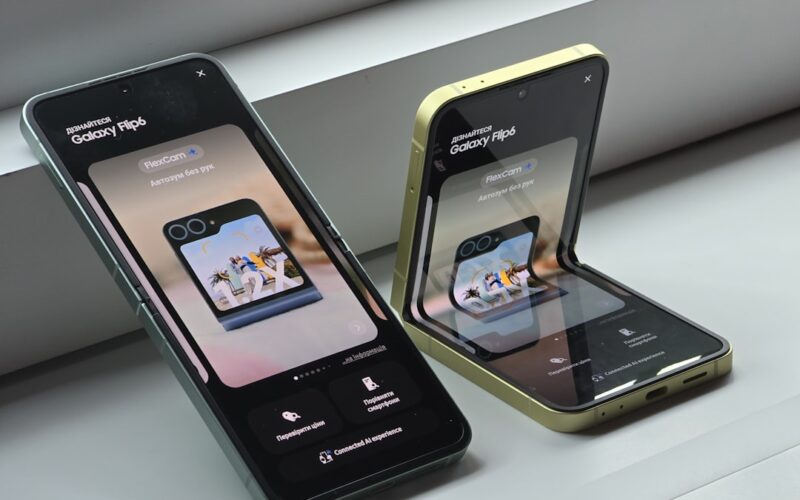
Samsung Z Fold8 Wide: An Admission of a Decade-Long Mistake
Samsung just announced the Galaxy Z Fold8 with a quiet structural shift that speaks louder than any press release ever could. The company is promoting a wider, shorter variant to mainline status—rebranding the traditional tall book-fold design as the “Ultra.” After seven generations built on a particular vision of what a foldable should be, Samsung is finally admitting that vision was wrong.
This isn’t a mid-cycle refresh tweak. This is a strategic concession. Chinese manufacturers like Huawei and OPPO figured out the wider form factor years ago. Now, just weeks before Apple enters the foldable market, Samsung is restructuring its entire lineup to match the proportions its competitors have already validated. The message is unavoidable: the original Galaxy Fold’s elongated shape—the shape that defined the entire foldable category—has lost the design argument.
Why Samsung’s Naming Shift Matters
The naming change is the tell. Calling the new wide variant simply “Galaxy Z Fold8” and demoting the traditional design to “Ultra” isn’t just marketing—it’s a hierarchy reset. In Samsung’s naming convention, “Ultra” signals the premium, cutting-edge option. Instead, it’s now the legacy option. The wide design gets the clean, simple name—the one that will dominate the marketing, the one that Samsung clearly believes is the future.
Per leaked case listings on Alibaba, the new Z Fold8 Wide targets roughly a 4:3 inner display ratio—close to an actual tablet when unfolded. That’s a deliberate pivot toward productivity and content consumption, moving away from the phone-like experience Samsung originally marketed. It’s closer to what Huawei and OPPO have been shipping.
The real sting: this is what Samsung could have done in 2022, or 2023. Instead, the company doubled down on the tall design for five more generations, burning through market patience and engineering iterations before accepting the market had already made its choice.
Seven Years of Being Behind on Foldable Form Factor
Let’s be direct about the timeline. The original Galaxy Fold in 2019 was a technical marvel but a form-factor gamble. It was tall and narrow when folded, which made it feel more like a phone but less like an actual tablet when open. Huawei’s Mate X series and later OPPO’s Find N models went wider and shorter—treating the foldable as a device that wants to be a tablet, not a phone that happens to fold.
Per reports comparing the upcoming design, Samsung’s Z Fold8 Wide is notably narrower when folded and noticeably wider when unfolded compared to Samsung’s own previous designs. That’s not iterative refinement. That’s convergence toward a form factor Samsung resisted for years.
The Fold7 was still shipping with the same basic proportions as the Fold1. Seven iterations. Meanwhile, the competition was already lapping them on ergonomics and everyday usability.
Photo by WebFactory Ltd on Unsplash
Engineering Concessions Are Easier to Accept Than Design Ones
Here’s what’s interesting: Samsung is also reportedly matching OPPO’s crease performance. The crease—the visible fold line on the inner display—has been a Samsung weakness for years. The company kept telling users it was a feature, not a flaw. Now it’s being engineered down to competitive parity.
That’s slightly easier to swallow as a company. Fixing a crease is engineering work. Admitting your core design philosophy was wrong is something else entirely. Yet Samsung is doing both.
The real issue isn’t that Samsung’s engineers couldn’t build a wide foldable. They obviously could. The real issue is that Samsung’s product strategy locked into the tall design as a differentiator—a way to own a distinct category position. The company needed the Galaxy Fold to feel like its own thing, not like a Huawei clone. That instinct was understandable. It was also wrong.
What This Means for Apple’s Foldable
Apple’s entry into foldables in the coming weeks will land into a market where the design conversation has already been settled. The wider, more tablet-like form factor has won. Users prefer it. Competitors have shipped it. Samsung is now following suit.
This actually gives Apple an advantage: there’s no ambiguity about what users want anymore. Form factor consensus has been reached. Apple can focus on execution, software integration, and the premium positioning its users expect—without having to figure out whether a foldable should look like a folded phone or a folded tablet. That question already has an answer.
Samsung’s Z Fold8 Wide is Apple’s gift—not because the phone is bad, but because Samsung just spent seven years building the roadmap for everyone else.
Bottom Line
The Galaxy Z Fold8 Wide isn’t a revelation. It’s a surrender dressed up as innovation. Samsung is finally shipping what the market already decided it wanted, repackaged as the new mainline product. That’s good news for foldable consumers—Samsung’s engineering at scale will only improve the category. But it’s a reminder that being first doesn’t mean being right, and that market conviction can take years to override internal strategic confidence.
Watch to see how aggressively Samsung markets the Wide variant versus the Ultra. That ratio will tell you exactly how much of a concession this really is.
Editor’s note: This article was researched and drafted with AI assistance (Claude), edited for accuracy and voice, and reviewed before publication. Source headlines that informed our analysis are linked inline. If you spot a factual error, let us know.

Hello Hightechz Net Owner,
My name is Eric and I’m betting you’d like your website Hightechz Net to generate more leads.
Here’s how:
Web Visitors Into Leads is a software widget that works on your site, ready to capture any visitor’s Name, Email address, and Phone Number. It signals you as soon as they say they’re interested – so that you can talk to that lead while they’re still there at Hightechz Net.
Visit https://blastleadgeneration.com to try out a Live Demo with Web Visitors Into Leads now to see exactly how it works and even give it a try… it could be huge for your business.
Plus, now that you’ve got their phone number, with our new SMS Text With Lead feature, you can automatically start a text (SMS) conversation quickly… which is so powerful because connecting with someone within the first 5 minutes is 100 times more effective than waiting 30 minutes or more later.
The new text messaging feature lets you follow up regularly with new offers, content links, even just how are you doing? notes to build a relationship.
Everything I’ve just described is extremely simple to implement, cost-effective, and profitable.
Visit https://blastleadgeneration.com to discover what Web Visitors Into Leads can do for your business, potentially converting up to 100 times more eyeballs into leads today!
Eric
PS: Studies show that 70% of a site’s visitors disappear and are gone forever after just a moment. Don’t keep losing them.
Web Visitors Into Leads offers a complimentary 14-day trial – and it even includes International Long Distance Calling.
You have customers waiting to talk with you right now… don’t keep them waiting.
Visit https://blastleadgeneration.com to try Web Visitors Into Leads now.
If you’d like to Want to receive fewer emails, or none whatsoever? Update your email preferences by visiting https://blastleadgeneration.com/unsubscribe.aspx?d=hightechz.net