

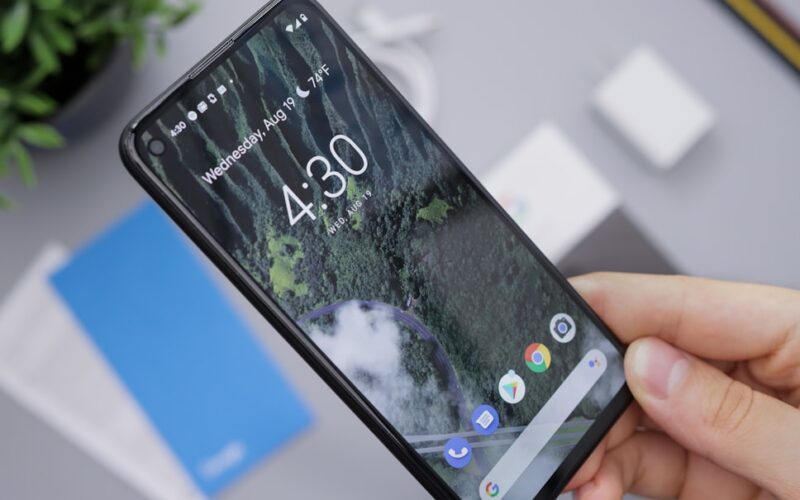
Xiaomi’s $1,200 Flagship Problem for Samsung and Apple
When Xiaomi announced the 17T Pro at €999 (roughly $1,170) with a Dimensity 9500, Leica triple-camera system, and 7,000mAh battery, the pricing calculus for premium Android flagships broke in real time. This isn’t a mid-range phone masquerading as premium. This is a near-flagship at sub-flagship pricing that forces an uncomfortable question: what exactly are you paying for when you buy a Galaxy S26 Ultra or iPhone 17 Pro at $1,400+?
The 17T Pro just made the $1,200 flagship look indefensible—and that matters because it’s revealing where the actual buying power in the premium market actually sits.
The Spec Collapse No One Expected
The gap between flagships and “value flagships” has always been real—a few percentage points in GPU performance here, a slightly dimmer display there, a tighter thermal envelope. You paid for the halo; the T-series gave you 85% of the experience at 65% of the price.
The 17T Pro erases that gap almost entirely.
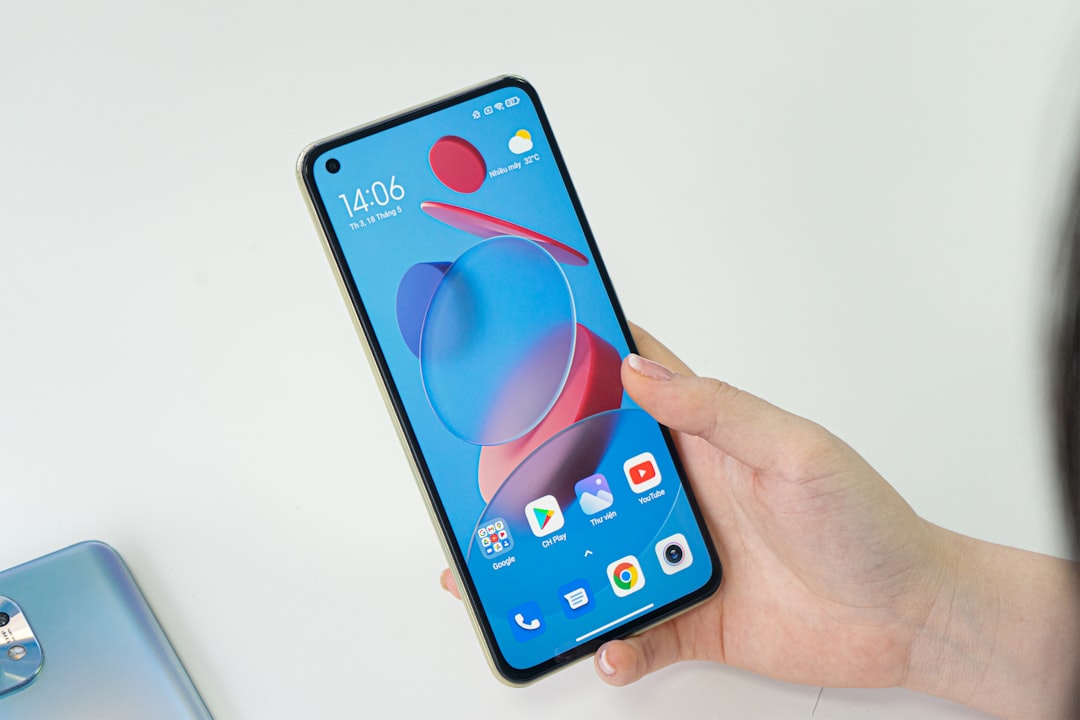
Per Gizmochina, the phone ships with a Dimensity 9500 (the same flagship SoC), a 144Hz 1.5K AMOLED display hitting 3,500 nits of peak brightness, and a 7,000mAh battery—which Technobaboy notes beats the Galaxy S26 Ultra’s capacity. On paper, the display spec alone puts it in flagship territory; 3,500 nits isn’t dimmer than Samsung’s best, it’s competitive with it.
The camera system deserves its own paragraph. Per PetaPixel, Leica’s involvement extends to a 50MP Light Fusion 950 main sensor with OIS, a 50MP periscope telephoto with 5x optical zoom, and a 12MP ultra-wide. That’s not “good for the price.” That’s functionally identical to what Samsung and Apple are shipping in their $1,400 flagships, with Leica branding that carries actual weight in the imaging community.
The charging speeds—100W wired, 50W wireless—aren’t revolutionary, but they’re faster than what either Samsung or Apple offers at comparable price points.
Where Xiaomi Is Positioning the T-Series (and It’s Not Where You Think)
This is the crucial bit: Xiaomi isn’t positioning the 17T Pro as a compromise phone anymore. Per Memeburn, this marks the earliest global T-series debut in Xiaomi’s history, meaning the company is shipping a sub-$1,200 flagship-spec phone worldwide—not just in China or Southeast Asia.
Historically, the T-series was the “flagship lite” play. The 12T Pro (2022) gave you flagship performance with a cleaner OS and lower price. It was good, but it was also noticeably the step-down product.
The 17T Pro flips that script. You’re not buying a compromised flagship. You’re buying a flagship that costs 30-40% less because Xiaomi is willing to take thinner margins and ship globally faster than Samsung can restock inventory.
That’s the playbook OnePlus perfected with the 3 and 3T—make the premium phone first, price it for the pragmatist, and let the spec-hunters who were going to buy a Galaxy anyway do the math.
The Market Xiaomi Is Actually Targeting (and Samsung Just Abandoned)
Here’s where our take diverges from the breathless comparisons: Xiaomi isn’t trying to beat the S26 Ultra head-to-head. It’s trying to own the $900–$1,200 band where actual buying power concentrates.
In most mature markets, the volume peak for premium phones isn’t at $1,400. It’s at $999–$1,100. That’s the psychological price ceiling for buyers who want a flagships but won’t stretch beyond it. Samsung and Apple have largely abandoned that tier—their $999 models are older designs or reduced-spec variants. Apple’s iPhone 17 Pro starts higher. Samsung’s $999 option is usually the previous generation.
Xiaomi just filled that void with this year’s best specs at that year’s launch price.
The implication: if you’re shopping for a premium phone this year and price-sensitive (which, statistically, most premium buyers are), the 17T Pro becomes the default. It’s not the newest iPhone or the most exclusive Samsung. But it’s flagship-spec, Leica-endorsed, and $200–$400 cheaper.
For consumers in price-elastic markets—Europe, parts of Asia, anywhere carrier subsidies matter less—that’s not a close call.
Why Apple and Samsung Can’t Easily Respond
The uncomfortable part: Samsung and Apple can’t price their way out of this without destroying margin structure or cannibalizing their own $1,400+ models. They’d have to ship a true flagship at $999, which means taking $400–$500 less in gross profit per unit.
Xiaomi can absorb that margin hit because they’re playing volume arbitrage. They’re also willing to lean harder on regional supply chains and skip some of the marketing overhead that Apple and Samsung bake into every unit.
This isn’t Apple or Samsung being slow. It’s a structural mismatch. By the time Apple designs, tests, and ships a $999 iPhone 17 Pro equivalent, Xiaomi will have already shipped the 18T Pro at the same price.
Bottom Line
The 17T Pro doesn’t “kill” the Galaxy S26 Ultra or iPhone 17 Pro—those phones exist for different buyers with different priorities (brand loyalty, ecosystem lock-in, resale value). What it does do is make the baseline argument for spending $1,400+ on a flagship a lot harder to defend on specs alone.
For practical buyers who want flagship performance now without the Apple tax or Samsung premium, this phone is the stone in the shoe of premium pricing. Watch how Samsung responds with the next T-series or E-series refresh. If they don’t drop a genuine flagship under $1,100 within six months, they’ve ceded the most price-sensitive premium segment entirely.
That’s the real story: not that Xiaomi made a good phone, but that Xiaomi forced the premium market to admit what it’s been hiding—there’s no good reason $1,400 flagships should cost as much as they do.
—
Editor’s note: This article was researched and drafted with AI assistance (Claude), edited for accuracy and voice, and reviewed before publication. Source headlines that informed our analysis are linked inline. If you spot a factual error, let us know.
