

The iPhone 18 Pro Color Leak Is Doing Apple’s Marketing Job
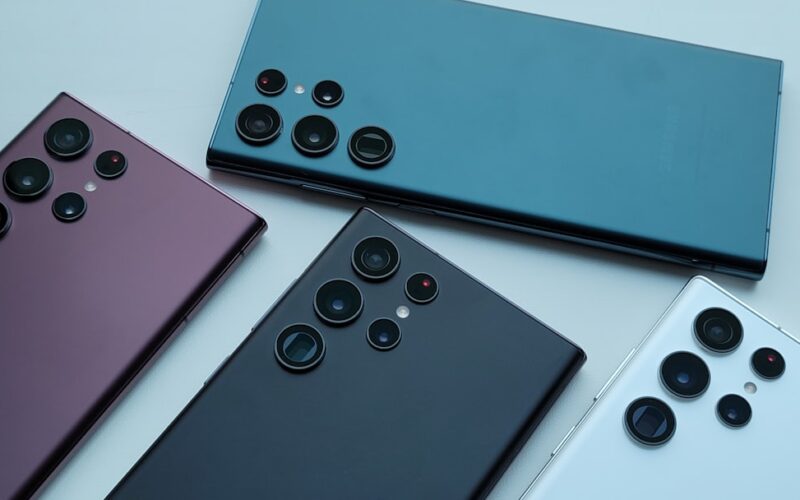
A single chassis photo is dominating Apple coverage this week. Dark Cherry, a purplish-hued finish confirmed by multiple leak sources, is being positioned as the iPhone 18 Pro’s “hero color”—the kind of visual statement that typically gets reserved for the keynote’s climactic moment. Except Apple didn’t need to wait for September. The leak did the work for them.
This isn’t a bug in Apple’s PR strategy. It’s a feature. And it’s a telling sign that the iPhone Pro line has fundamentally shifted what it sells.
When Color Becomes the Headline
Let’s be direct: the iPhone 18 Pro is shaping up to be an incremental year. The 48 MP camera sensor is expected to carry over with only marginal optical improvements. The A20 chip family will be faster, sure, but not by a margin that justifies an upgrade for most users. The form factor stays the same. The camera island doesn’t budge.
In a world where those used to be the talking points, Apple would be sweating. Instead, the leak of a new color finish—one with a specific name, a distinctive hue, a marketing narrative built in—has sustained a week of organic coverage without any official statement.
That’s not coincidence. That’s the inevitable outcome of a hardware cycle that has run out of meaningful differentiation to offer.
The Hero Color Cadence Is Now the Hero
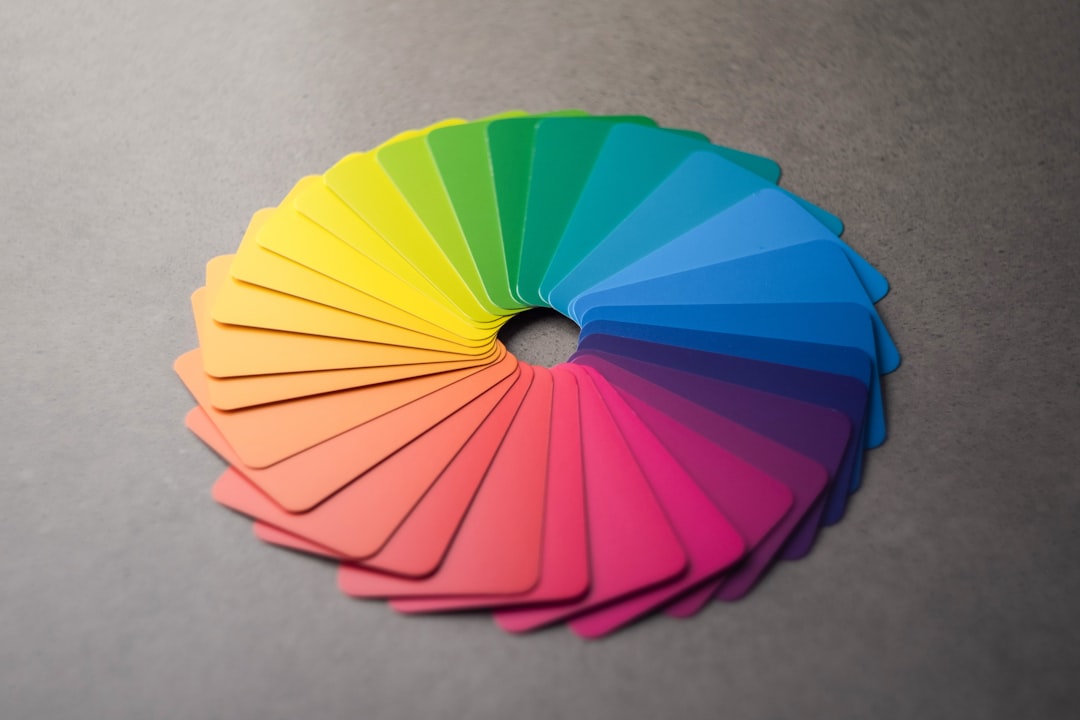
Apple has locked into a rhythm: every September, a new Pro color arrives to anchor the upgrade narrative. Pacific Blue. Sierra Blue. Deep Purple. Natural Titanium. Cosmic Orange. Now, Dark Cherry.
This cadence works because it’s predictable, it’s visual, and it’s meaningless enough to avoid actual feature parity. You don’t need a better camera sensor if you need to look different. You don’t need a redesigned chassis if the one you have looks fresh in a new finish.
The genius—and the hollow part—is that this strategy actually works. A color that will likely be available for a few seasons gets leaked, gets analyzed, gets desired, and drives the early upgrade cycle months before launch. Apple’s marketing machine gets to sit back and let the internet do the work.
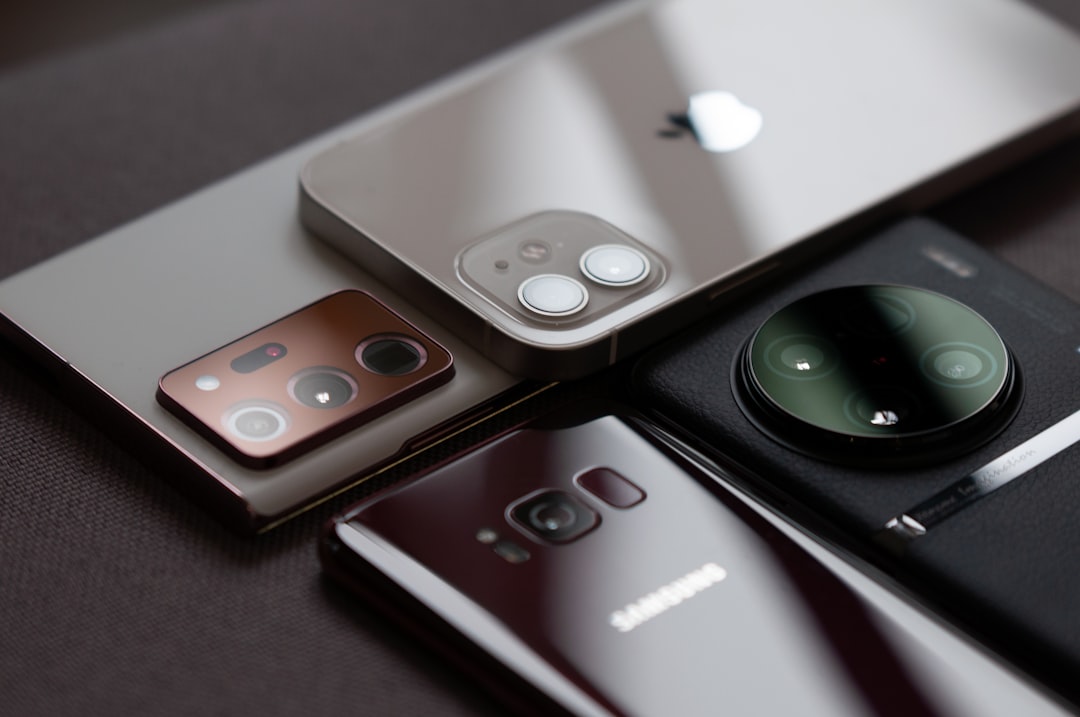
Compare this to Samsung’s approach: the Galaxy S26 Ultra sticks to titanium and phantom black options, treating color as a neutral variable rather than a statement. Apple has made color the statement. It’s a smart move for a company that has limited room to actually improve the Pro line’s core functionality.
The Upgrade Cycle Isn’t Broken—It’s Just Cheaper
Here’s the uncomfortable truth: Apple doesn’t need to innovate hardware faster if it can cycle colors faster. A new anodized aluminum finish costs fractions of what a new sensor or processor does. The margins are cleaner. The appeal is immediate and doesn’t require a technical explanation.
This works at Apple’s scale, where the customer base has enough money and enough cultural investment in the iPhone to care about which color version they own. For enthusiasts, it’s an easy rationalization—a new phone is “new” if it’s a different color, even if the internals are nearly identical.
And crucially, the leak proves Apple understands where the real marketing leverage lives. Internal frame geometry differs from the iPhone 17 Pro, confirming these are production-ready components, not mockups. Apple’s not leaving the color strategy to chance. The company is engineering the leak cycle itself—or at minimum, engineering the phone to leak in a way that maximizes coverage.
The Bigger Picture: Hardware Is Boring Again
We’ve entered a phase where flagship smartphone hardware is genuinely mature. Cameras take excellent photos. Processors are powerful enough for everything people actually do. Batteries last a day or more. There are no compelling physics-based problems left to solve at the consumer level.
In that environment, color isn’t a frivolous detail. It’s the last variable that still feels like something happened. Apple has recognized this earlier than most, and it’s building its entire Pro marketing strategy around it.
The question isn’t whether Dark Cherry will drive upgrade interest—it will. The question is whether this is sustainable as a category-defining feature, or whether we’re watching a company that has fundamentally run out of things to improve spiraling toward the tablet phase: incremental annual releases, marginal updates, mostly a fashion item.
For now, Apple’s bet is that the fashion item is enough.
What to Watch
When the iPhone 18 Pro launches in September, pay attention to how much of the keynote time is spent on Dark Cherry versus actual feature improvements. If Apple is comfortable leading with color in the presentation itself, we’ve crossed a threshold. If they bury it in the specs and focus the headline on processing power, they’re still uncomfortable admitting what the upgrade cycle has become.
Either way, the leak already won. The color is the story. Apple’s marketing team can take the next four months off.
—
Editor’s note: This article was researched and drafted with AI assistance (Claude), edited for accuracy and voice, and reviewed before publication. Source headlines that informed our analysis are linked inline. If you spot a factual error, let us know.
