
Blog

AI’s fossil fuel lock-in: Microsoft-Chevron deal exposed

AI’s fossil fuel lock-in: Microsoft-Chevron deal exposed

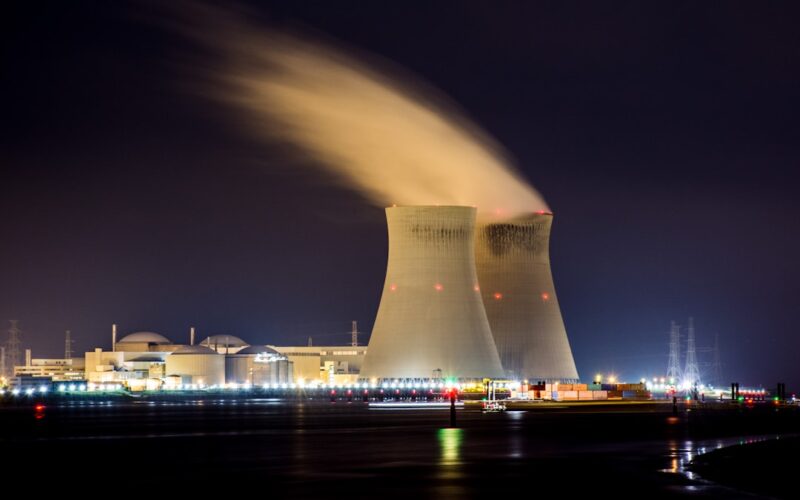
AI's Dirty Secret: Big Tech Is Betting Its Future on Gas When Nvidia announced a new liquid-cooled data center design last month, the PR message was clear: we're solving AI's water problem. Executives emphasized how the Rubin architecture would slash cooling water consumption inside the facility. It was a calculated response to mounting criticism—journalists and activists have spent the last two years raising alarms about AI's thirst for water and electricity. The announcement landed as reassurance. Problem being solved. Move along. Then Microsoft and Chevron quietly signed a 20-year power purchase agreement for a natural gas data center in West…
Read More
Polymarket prediction markets fake bets undermine credibility

Polymarket prediction markets fake bets undermine credibility

Polymarket's Fake-Bet Influencers Just Killed the Credibility Prediction Markets Promised Imagine a tool that's supposed to aggregate the wisdom of crowds—thousands of people betting real money on future events—and use that collective signal to answer hard questions about what's actually going to happen. Now imagine that tool's operator is paying Instagram creators to film themselves placing bets that don't exist, celebrating wins that never occurred, all designed to make the platform look busier and more exciting than it is. That's not a hypothetical. Per The Verge, Polymarket reportedly paid people to post fake videos of themselves placing bets, and a…
Read More
Prime Day Isn’t a Sale—It’s Amazon’s Data Harvest

Prime Day Isn’t a Sale—It’s Amazon’s Data Harvest

Prime Day Isn't a Sale. It's Amazon's Biggest Data Harvest. Every June and July, Prime Day arrives like clockwork—a 48-hour promise of deep discounts that sends millions of shoppers hunting for deals. But here's what most of us miss: Amazon's real product isn't the discounted earbuds or kitchen gadgets. It's the behavioral data we hand over in the hunt for them. Prime Day has quietly evolved into an annual data harvesting ritual that trains the AI models powering tomorrow's dynamic pricing, recommendation engines, and predictive inventory systems. We're not getting a better deal. We're being optimized. The economics of Prime…
Read More
Norway AI Classroom Ban: Who Controls How Kids Learn?

Norway AI Classroom Ban: Who Controls How Kids Learn?

Norway Just Called AI's Bluff in the Classroom Norway doesn't usually make headlines for tech regulation. But last month, the country imposed near-total restrictions on AI use in elementary schools, and it's worth paying attention—not because Norway is the world's AI police, but because this move exposes something uncomfortable about how quickly we've let AI tools migrate into classrooms without actually asking whether they should be there. This isn't Luddite hand-wringing. Norway is a tech-forward nation. This is something rarer: a government willing to say "not yet" when the pressure to say "yes" is enormous. Photo by Quilia on Unsplash…
Read More
AI Gets Grid Fast Lane While Workers Face Investigations

AI Gets Grid Fast Lane While Workers Face Investigations

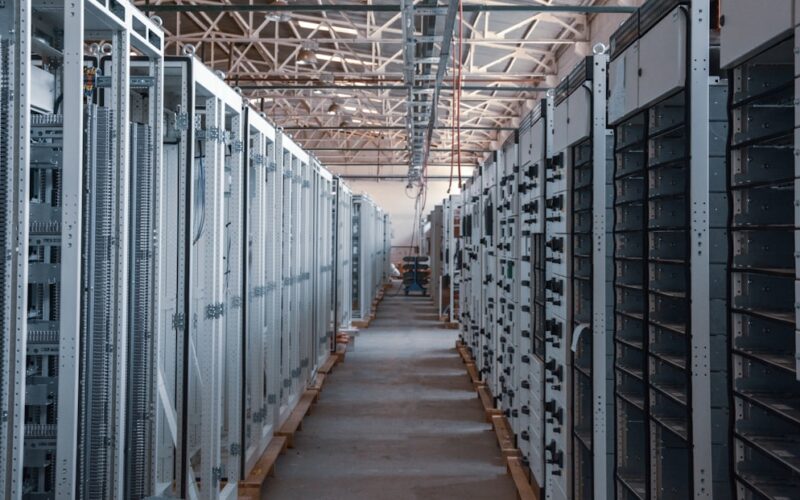
AI Gets a Grid Fast Lane — Workers Get Investigated The federal government just handed AI data centers a golden ticket to America's power infrastructure, while simultaneously Amazon workers who dared speak out about those same data centers now face internal investigations. The juxtaposition isn't accidental. It's a window into how infrastructure policy operates when capital has a seat at the table and labor doesn't. Here's what's happening: regulators are moving fast to solve a real problem—AI buildout is outpacing grid capacity. But the solution they've chosen reveals something uncomfortable about whose problem actually gets solved. Photo by Matthew Henry…
Read More
iFixit’s Trump T1 Teardown Exposes Made-in-USA Marketing Myth

iFixit’s Trump T1 Teardown Exposes Made-in-USA Marketing Myth

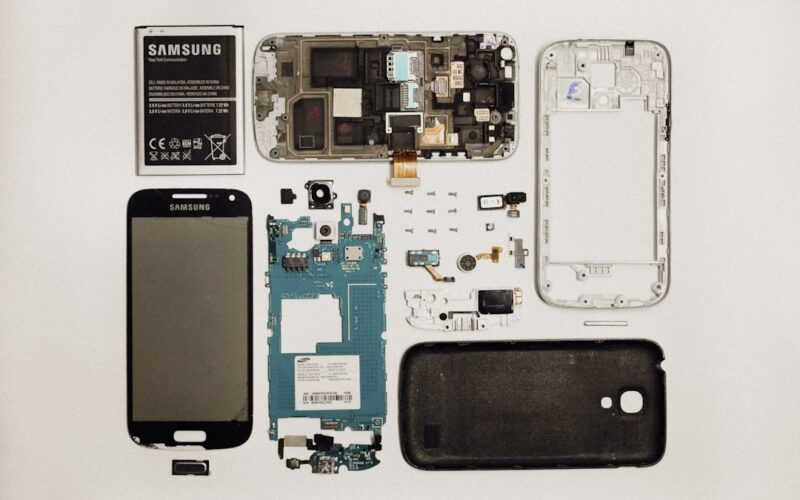
iFixit's Trump T1 Teardown Is the Real Made-in-USA Audit A gold-painted smartphone that boots up with a competitor's motherboard inside is not a hardware failure—it's a marketing one. iFixit's teardown of the Trump T1 didn't just confirm what skeptics suspected; it documented, with CT scans and a successful motherboard swap test, that Trump Mobile sold 590,000 pre-orders on a promise the supply chain never delivered. The only components original to the T1 are cosmetic: a paint job, a logo, and a battery with worse charging specs than its donor device. Everything else—processor, display, camera array, antenna design—came from an HTC…
Read More
Meta’s Smart Glasses Could Become Cops’ Best Tool

Meta’s Smart Glasses Could Become Cops’ Best Tool

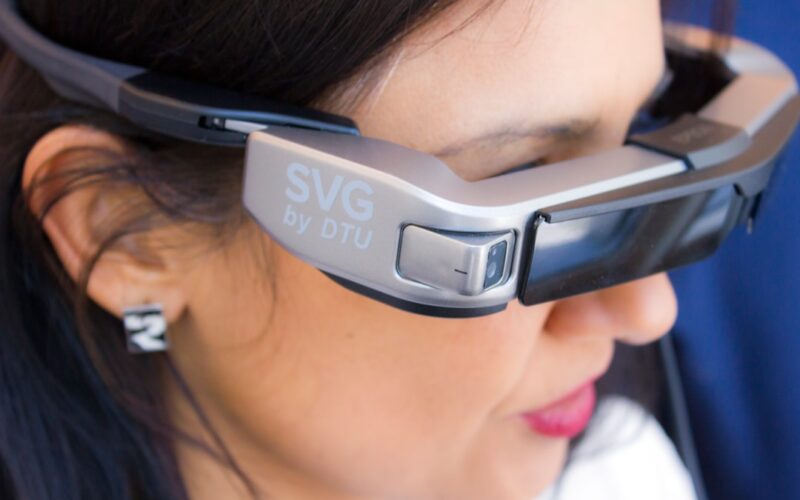
Your Next Glasses Might Be a Cop's Best Informant Meta is testing facial recognition software on consumer smart glasses—the kind used by police and the military. This isn't speculation or a privacy advocate's nightmare scenario. It's happening quietly right now, with consumer devices. And it's the clearest signal yet that the smart glasses race isn't about helping you answer emails hands-free or finding that restaurant you half-remembered. It's about building the world's most intimate surveillance network—and we're being asked to fund it with our eyeballs. The timing matters. As Qualcomm rolls out more powerful chips designed specifically to power next-generation…
Read More
SpaceX’s $60B Cursor Deal Reveals Antitrust’s Blind Spot

SpaceX’s $60B Cursor Deal Reveals Antitrust’s Blind Spot

SpaceX Isn't a Rocket Company Anymore. That Should Scare Us. A freshly public SpaceX just deployed its IPO windfall to acquire Cursor, an AI coding platform, for $60 billion in stock. The speed and scale of the move—closing days after the IPO—signals something larger than a strategic partnership. It's a flex of vertical integration ambition that our current antitrust framework has no real answer for. We're watching the blueprint for a new kind of tech monopoly unfold in real time, and regulators are still arguing about Amazon's warehouse deals. Photo by SpaceX on Unsplash The Rocket Company That Became a…
Read More
Cord-Cutting Is Over: Fox-Roku Is Legacy TV’s Return

Cord-Cutting Is Over: Fox-Roku Is Legacy TV’s Return

Cord-Cutting Is Over: Fox-Roku Is Legacy TV's Checkmate When Fox announced it would acquire Roku for $22 billion, the streaming industry collectively misread the signal. The headlines framed it as a "powerhouse" merger—Fox bolstering its streaming footprint, Roku cementing its role as a platform. But that's backwards. This deal isn't about competing in streaming. It's about cord-cutting's quiet death and legacy media's long game finally coming into focus. We spent a decade watching cable collapse and celebrating the end of forced bundles. Turns out, that détente was never permanent. It was just legacy media catching its breath while it figured…
Read More
Why a $3M Mario Cartridge Exposes Digital Ownership’s Failure

Why a $3M Mario Cartridge Exposes Digital Ownership’s Failure

Why a $3M Mario Cartridge Is a Verdict on Digital Ownership A sealed copy of Super Mario Bros. sold at auction recently for $3 million. Let that sink in—not for the headline shock value, but because it tells us something uncomfortable about how we actually own media in 2024. Per Engadget, this cartridge came as part of a $150 console bundle in 1985. The person who paid seven figures wasn't buying a game. They were betting against the future of digital ownership itself. We live in an era where you can "buy" a movie on iTunes, only to watch it…
Read More